
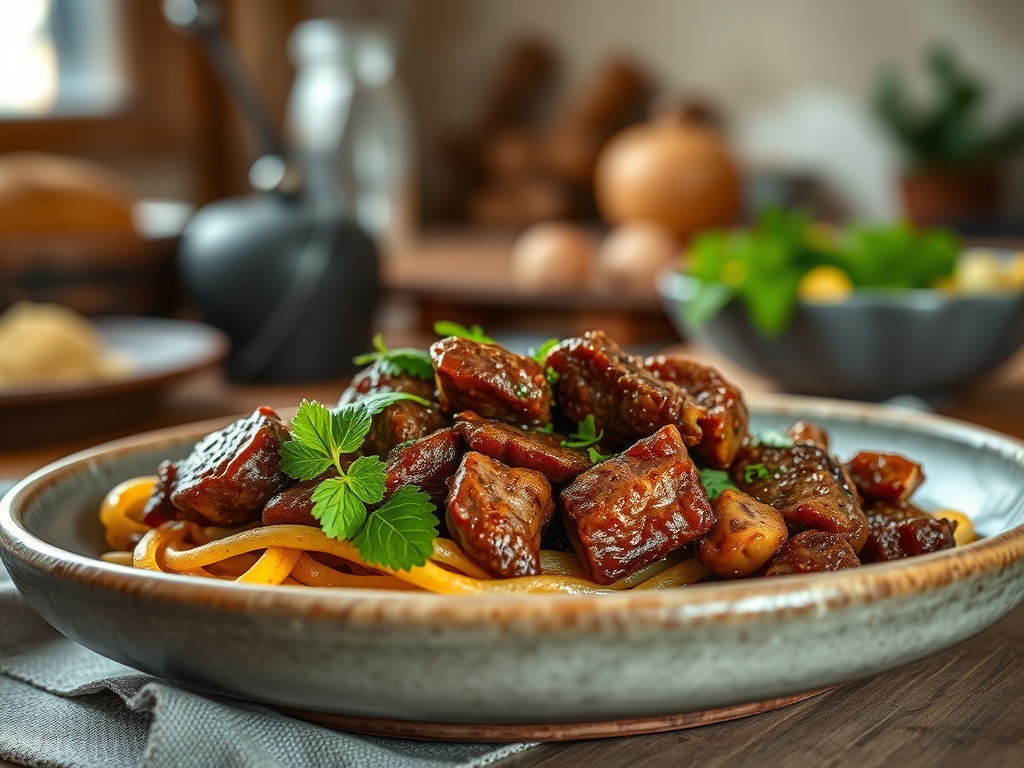
Close your eyes and listen for that distinctive, aggressive hiss as cold protein hits a screaming hot wok. The air instantly thickens with a scent that is both earthy and electric; it is the unmistakable perfume of toasted seeds and seared fat. When you are hunting for the ultimate cumin beef recipes, you are not just looking for a meal; you are looking for that specific, addictive friction between the numbing heat of peppercorns and the musky warmth of the spice rack. It is a dish that defines "wok hei" or the breath of the wok. We are going to master the art of the stir-fry by focusing on the molecular behavior of the beef. This is not about tossing meat in a pan; it is about controlled chemical reactions. We will explore how to achieve that velvety, restaurant-style texture through the science of velveting and the precise timing required to prevent the cumin from turning bitter. Grab your apron and your favorite heavy-bottomed skillet. We are about to turn your kitchen into the best bistro in town.
The Gathers:
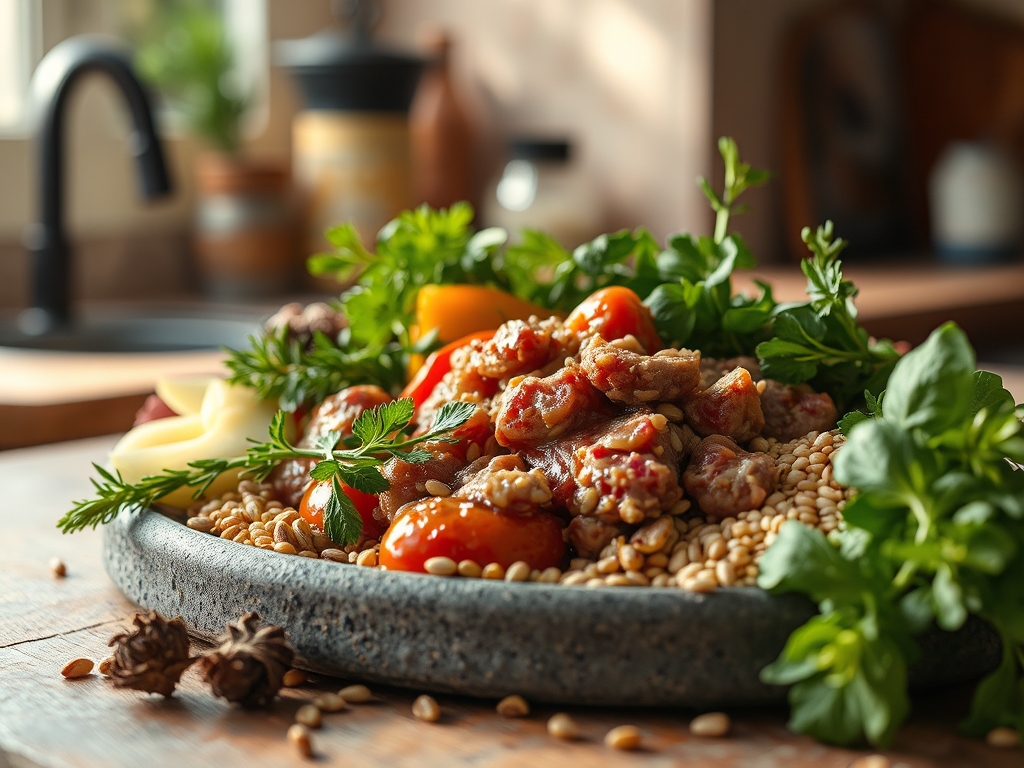
To execute this properly, your mise-en-place must be flawless. We start with the beef. You want flank steak or top sirloin; look for fine intramuscular fat rather than thick gristle. You will need a digital scale to measure out exactly 500 grams of beef, which ensures your seasoning ratios remain precise. For the aromatics, gather fresh ginger, garlic, and a handful of dried red chilies. The star of the show is the cumin. Avoid the pre-ground dust in the back of your pantry. Instead, find whole cumin seeds that we will toast and crush to release their volatile oils.
Smart Substitutions:
If you cannot find flank steak, a trimmed hanger steak offers an even deeper, more mineral flavor. For my plant-based friends, king oyster mushrooms are the ultimate swap. Their cellular structure mimics the "chew" of beef when sliced thinly and seared. If you are watching your sodium, replace the light soy sauce with liquid aminos; the viscosity is similar, but the salt profile is more manageable. Use a microplane to grate your ginger into a fine paste; this increases the surface area, allowing the gingerol to infuse the oil almost instantly without leaving fibrous chunks in the final bite.
The Clock
The "Chef's Flow" for cumin beef recipes is heavily weighted toward preparation. You will spend twenty minutes on the "cold" phase and only five minutes on the "hot" phase.
- Prep Time: 20 minutes (includes slicing, marinating, and spice tempering).
- Cook Time: 5 minutes (the actual thermal application).
- Total Time: 25 minutes.
The flow is simple: slice while the meat is slightly frozen to get paper-thin strips. Marinate to initiate the enzymatic breakdown of the fibers. While the beef rests, toast your spices. Once the oil reaches its smoke point, the process moves with lightning speed. If you are not prepared, the garlic will burn before the beef is even half-cooked.
The Masterclass
1. The Precision Slice
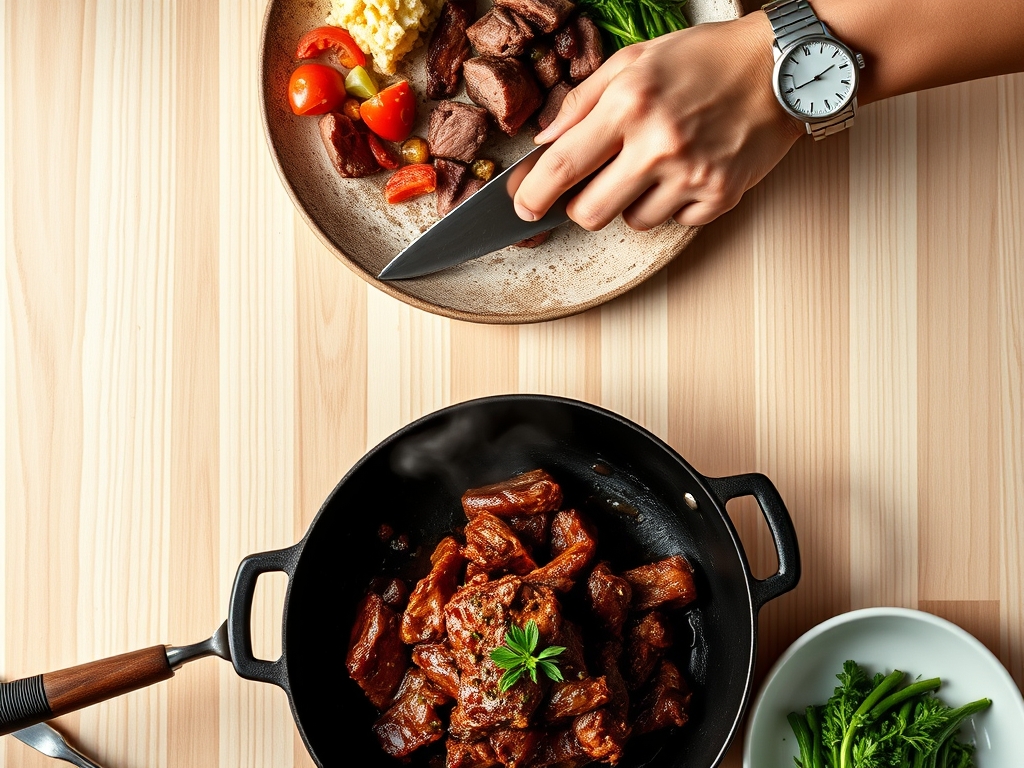
Using a sharp chef's knife, slice your beef against the grain at a 45-degree angle. This shortens the muscle fibers, ensuring every bite is tender rather than rubbery. Aim for pieces about two inches long and an eighth of an inch thick.
Pro Tip: This technique utilizes mechanical tenderization. By cutting against the grain, you are doing the work your teeth would otherwise have to do, making even leaner cuts feel luxurious.
2. The Velveting Secret
Place the beef in a bowl and massage in cornstarch, a splash of Shaoxing wine, and a bit of oil. Let it sit for 15 minutes. This creates a protective alkaline barrier around the protein.
Pro Tip: This is known as velveting. The starch creates a physical shield that prevents the proteins from tightening and squeezing out their juices when they hit the high heat of the pan.
3. Toasting the Aromatics
Heat your heavy-bottomed skillet or wok until a drop of water dances and evaporates instantly. Add a neutral oil with a high smoke point, like grapeseed oil. Toss in your whole cumin seeds and dried chilies for thirty seconds until they become fragrant.
Pro Tip: This process is lipid-soluble flavor extraction. The essential oils in the cumin are fat-soluble; heating them in oil "blooms" the flavor, distributing the piquant notes throughout the entire dish.
4. The High-Heat Sear
Push the spices to the side and add the beef in a single layer. Do not stir it immediately. Let it sit for sixty seconds to develop a deep brown crust. Use tongs to flip the pieces individually if needed.
Pro Tip: You are chasing the Maillard reaction. This chemical reaction between amino acids and reducing sugars creates hundreds of different flavor compounds that give seared meat its savory, "umami" depth.
5. The Aerated Finish
Add your garlic, ginger, and scallions. Toss everything together rapidly using a bench scraper or spatula to keep the ingredients moving. This prevents the delicate aromatics from scorching while the beef finishes cooking.
Pro Tip: This step relies on thermal carryover. The beef will continue to cook for a minute after you remove it from the heat, so pull it off the burner when it looks just barely done to avoid a dry texture.
6. The Deglaze and Emulsify
Pour a final splash of soy sauce and a drizzle of toasted sesame oil around the edges of the pan. The liquid will steam and lift the "fond" (the browned bits) from the bottom of the skillet.
Pro Tip: This is deglazing. The liquid incorporates the caramelized proteins back into a viscous sauce that coats every strip of beef, ensuring no flavor is left behind on the metal.
The Deep Dive
Macro Nutrition:
A standard serving of this cumin beef contains approximately 320 calories, 35 grams of protein, 12 grams of fat, and 8 grams of carbohydrates. It is a high-protein powerhouse that fits perfectly into a balanced lifestyle.
Dietary Swaps:
- Keto: Replace the cornstarch with a pinch of xanthan gum and omit the sugar in the marinade.
- Gluten-Free: Use tamari or coconut aminos instead of traditional soy sauce.
- Vegan: Use firm tofu or seitan strips. Ensure you press the tofu for at least thirty minutes first to remove excess moisture.
The Fix-It:
- Too Much Liquid: If your beef is boiling instead of searing, you crowded the pan. Remove the meat, wipe the pan, and sear in smaller batches next time.
- Bitter Flavor: You likely burned the cumin seeds. If they turn black, discard them and start over; there is no way to mask the acrid taste of burnt spices.
- Tough Meat: You likely cut with the grain instead of against it. Slice thinner and increase the marinating time to allow the wine to soften the fibers.
Meal Prep & Reheating:
To maintain "day-one" quality, store the beef in an airtight glass container. When reheating, avoid the microwave if possible. Instead, flash-fry it in a hot pan with a teaspoon of water for sixty seconds. This prevents the proteins from becoming "rubbery" due to microwave-induced moisture loss.
The Wrap-Up
Mastering cumin beef recipes is a rite of passage for any home cook looking to elevate their stir-fry game. It is a dish that rewards patience in the prep phase and bravery in the cooking phase. By understanding the science of velveting and the chemistry of toasted spices, you have moved beyond following a recipe and into the realm of culinary intuition. Now, serve this over a bed of fluffy jasmine rice, garnish with a mountain of fresh cilantro, and watch your friends wonder how you achieved that perfect restaurant-style sear.
The Kitchen Table
Can I use ground cumin instead of whole seeds?
You can, but the flavor profile will be flatter. Ground cumin burns faster, so add it toward the end of the cooking process rather than blooming it in the oil at the beginning to avoid bitterness.
What is the best oil for stir-frying beef?
Use oils with high smoke points like peanut, avocado, or grapeseed oil. Avoid extra virgin olive oil or butter, as they will smoke and decompose at the high temperatures required for a proper sear.
Why is my beef sticking to the pan?
The pan likely was not hot enough before you added the oil and protein. Alternatively, you may have tried to flip the beef too early; it will naturally release from the surface once a proper crust has formed.
How do I make the dish spicier?
To increase the heat, slice the dried chilies to release their seeds into the oil. You can also add a teaspoon of Sichuan peppercorn oil at the very end to introduce a numbing, electric sensation to the palate.