
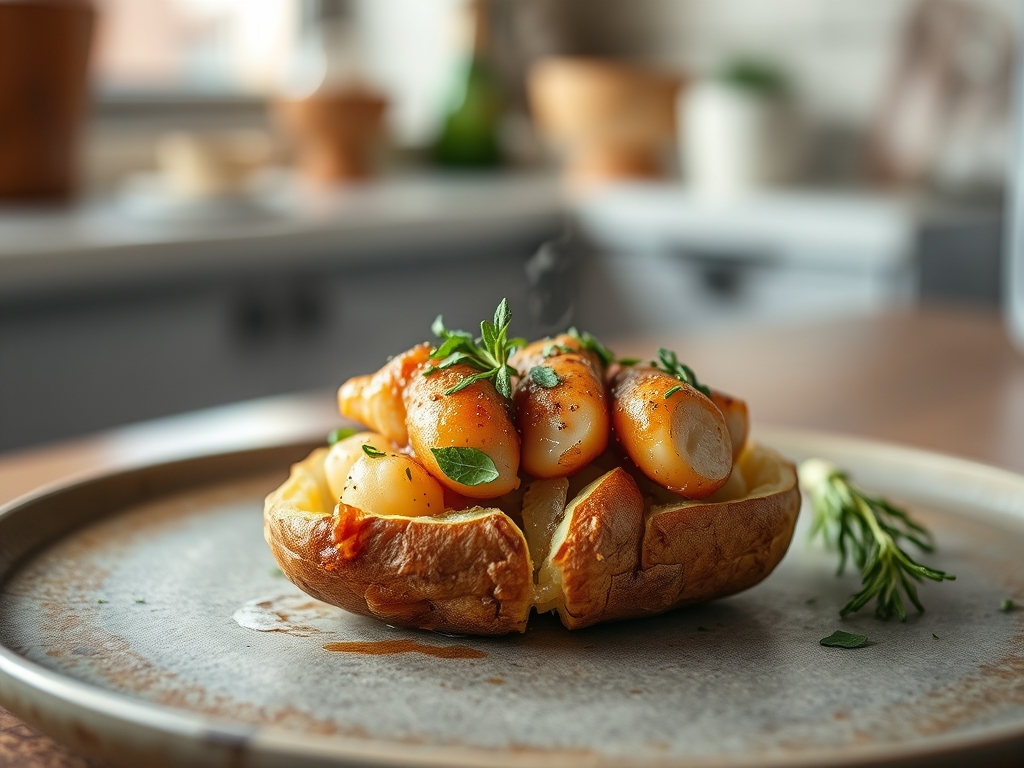
Picture the steam rising in a dense, fragrant plume as you slice through a salt-crusted Russet. There is something primal and deeply comforting about the marriage of a fluffy tuber and succulent poultry. Mastering baked potato with chicken recipes is not just about dinner; it is about engineering the perfect ratio of starch to protein.
The secret to a world-class potato lies in the structural integrity of the skin. When we talk about the ultimate comfort food, we are really discussing a delicate balance of moisture management and lipid distribution. You want a shell that shatters like parchment paper, revealing an interior that has been transformed into a cloud-like matrix. By the time we introduce the chicken, we are layering complex flavors through deglazing and emulsification. Whether you are craving a sharp buffalo kick or a velvet-smooth alfredo finish, these six variations will elevate your weeknight routine into a culinary event. We are moving beyond the basic butter and chive combo. We are building a vessel for high-density nutrition and sophisticated textures. Grab your apron; we are about to turn a humble root vegetable into a masterpiece of molecular gastronomy.
The Gathers:
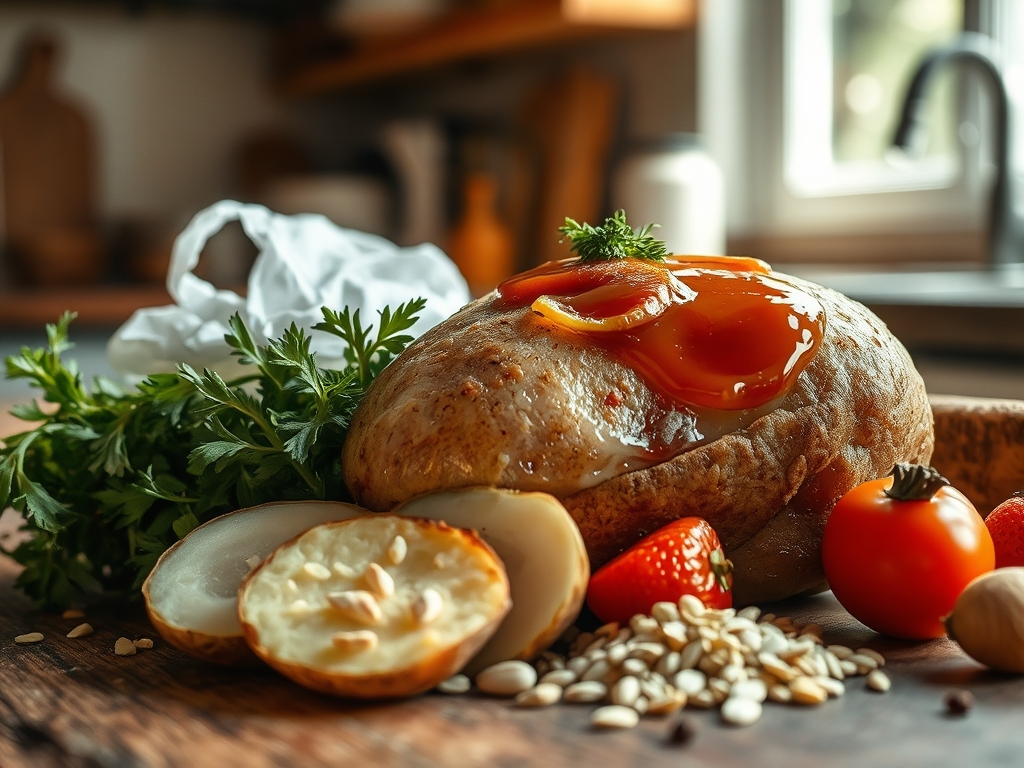
Before we fire up the oven, we need to curate our mise-en-place with precision. Start with high-starch Russet potatoes; their low moisture content is vital for that sought-after fluffiness. For the protein, organic chicken thighs offer a superior fat-to-lean ratio, ensuring the meat remains juicy even after a secondary bake. You will need a high-smoke-point oil, such as avocado or grapeseed oil, to facilitate the Maillard reaction on the skin without acrid scorching.
Your dairy components should be high-viscosity. Think heavy cream, sharp aged cheddar, and full-fat Greek yogurt for that piquant tang. Fresh aromatics are non-negotiable; use a microplane to zest lemons or grate garlic into a fine paste. For the adventurous, keep a bottle of dry white wine or chicken bone broth nearby to deglaze your heavy-bottomed skillet.
Smart Substitutions:
If you are looking to lighten the load, swap the Russet for a Jewel Yam to increase beta-carotene levels. For a plant-based twist that still hits those "chicken" notes, soy-based curls or roasted oyster mushrooms provide a similar fibrous bite. If you lack heavy cream, a blended cashew cream offers the same mouthfeel and lipid profile without the lactose.
The Clock
Efficiency in the kitchen is all about "Chef's Flow." Total active prep time is approximately 20 minutes, while the thermal transformation takes about 60 to 75 minutes.
The Flow:
- The Foundation (0-5 mins): Scrub, dry, and oil the potatoes.
- The Roast (5-65 mins): This is your passive window.
- The Protein Prep (20-40 mins): While the potatoes roast, sear and shred your chicken.
- The Assembly (65-75 mins): The final "flash bake" to melt cheeses and marry flavors.
Using a digital scale to ensure your potatoes are of uniform weight (roughly 300g each) ensures they finish cooking at the exact same moment, preventing the dreaded "half-raw center" syndrome.
The Masterclass
1. The Osmotic Prep
Scrub your potatoes and dry them aggressively. Prick the skins with a fork to allow steam to escape, then rub them with oil and a generous amount of kosher salt. Use tongs to place them directly on the oven rack.
Pro Tip: Salt acts as a desiccant. By drawing moisture out of the skin, it allows the surface to reach temperatures above 212 degrees Fahrenheit, triggering the Maillard reaction for a crisp, savory crust.
2. The High-Heat Sear
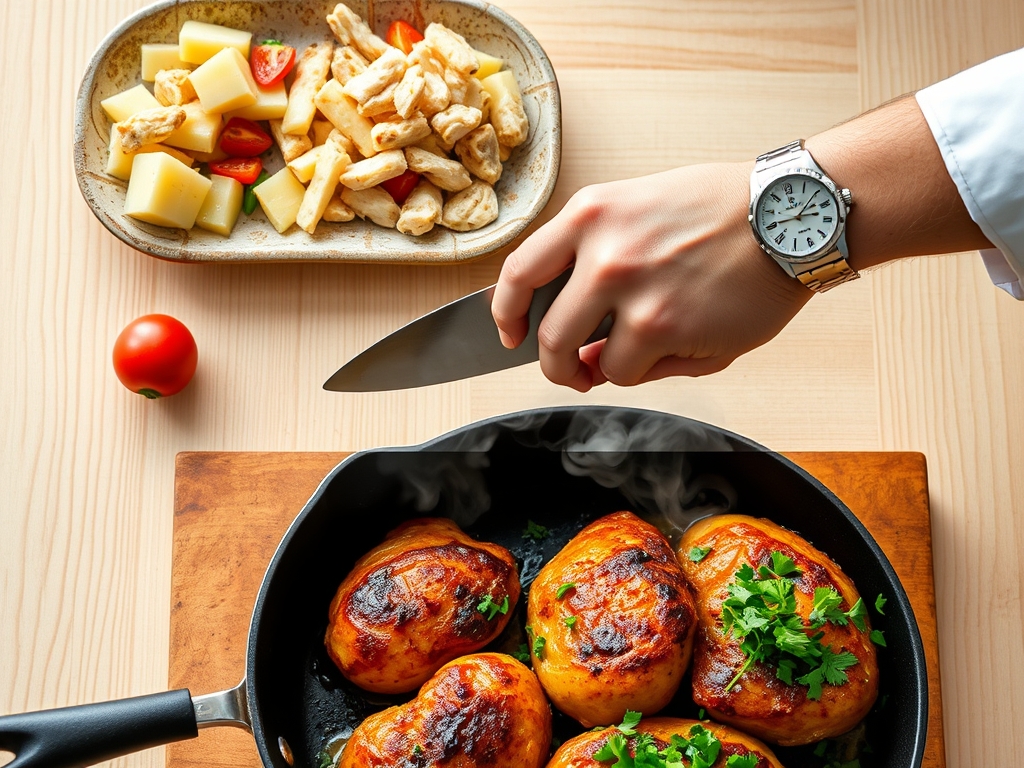
While the tubers roast, heat a heavy-bottomed skillet over medium-high heat. Season your chicken and sear until a golden-brown crust forms. Do not crowd the pan; this prevents the meat from steaming in its own juices.
Pro Tip: This is "enzymatic browning." The amino acids and reducing sugars react to create hundreds of different flavor compounds that provide that "meaty" depth.
3. The Fond Recovery
Once the chicken is cooked, remove it and look at those brown bits at the bottom of the pan. Add a splash of broth or wine to deglaze, using a bench scraper or wooden spoon to lift the flavor.
Pro Tip: This liquid is liquid gold. It contains concentrated proteins and fats that, when reduced, create a viscous sauce that binds your chicken to the potato interior.
4. The Aeration Stage
Once the potatoes are soft to the touch, slice them open. Use a fork to vigorously fluff the insides, being careful not to puncture the bottom skin.
Pro Tip: This process introduces air into the starch matrix. By increasing the surface area, you allow the potato to better absorb the butter and sauce, preventing a dense, gluey texture.
5. The Emulsified Topping
Mix your shredded chicken with your sauce of choice (Buffalo, BBQ, or Pesto). Spoon the mixture into the aerated potato and top with cheese.
Pro Tip: When melting cheese, the goal is to reach the "flow point" without causing the fats to separate. A quick blast under the broiler is more effective than a long bake.
6. The Thermal Rest
Remove the potatoes from the oven and let them sit for three minutes before serving. Garnish with fresh herbs or a dollop of cold cream.
Pro Tip: Thermal carryover continues to cook the very center of the potato. Resting allows the internal steam to redistribute, ensuring every bite is moist rather than dry.
The Deep Dive
Macro Nutrition:
A standard chicken-topped baked potato provides a powerhouse of nutrients. You are looking at approximately 450 calories, 35g of protein, and 50g of complex carbohydrates. Potatoes are surprisingly high in Vitamin C and potassium, often surpassing bananas in mineral density.
Dietary Swaps:
- Keto: Swap the potato for a roasted cauliflower head. You keep the chicken and the fats but drop the glycemic load.
- Vegan: Use "chick'n" strips and a nutritional yeast-based "cheese" sauce.
- Gluten-Free: This meal is naturally GF, provided your sauces (like BBQ) do not use flour as a thickener.
The Fix-It:
- Soggy Skin: This happens if you wrap the potato in foil. Foil traps steam. Fix: Always bake naked on the rack.
- Gluey Interior: Over-mashing breaks the starch granules. Fix: Use a light hand and a fork, never a hand mixer.
- Dry Chicken: The meat was overcooked during the sear. Fix: Add a tablespoon of Greek yogurt to the chicken mix to re-introduce moisture.
Meal Prep Science:
To reheat, avoid the microwave as it turns the skin leathery. Instead, use an air fryer at 350 degrees for 8 minutes. This restores the "day-one" crunch by rapidly evaporating any moisture that migrated into the skin during refrigeration.
The Wrap-Up
There you have it; a masterclass in turning the humble spud into a high-performance meal. By understanding the chemistry of the Maillard reaction and the physics of steam, you have elevated your baked potato with chicken recipes from "basic" to "brilliant." Cooking is an art, but great cooking is a science. Now, go forth, grab your saucier, and create something spectacular. Your kitchen is your lab, and dinner is the ultimate experiment.
The Kitchen Table
Can I bake the potatoes in advance?
Yes, you can par-bake them for 45 minutes. When ready to serve, finish them in a high-heat oven to crisp the skin. This ensures the interior stays fluffy while the exterior regains its structural integrity.
What is the best chicken cut for potatoes?
Chicken thighs are superior because they contain more connective tissue and fat. This prevents the meat from drying out during the second bake, resulting in a much more succulent and flavorful topping compared to lean breast meat.
Why is my potato skin bitter?
Bitterness usually indicates the potato was stored in sunlight, producing solanine. Always store tubers in a cool, dark place. If the skin is green, peel it away entirely or discard the potato to avoid the bitter alkaloid compounds.
How do I get the fluffiest interior?
The key is choosing a high-starch Russet and "venting" it immediately after baking. Slicing it open allows excess steam to escape instantly. If the steam stays trapped, it re-hydrates the starch, turning the interior gummy and dense.