
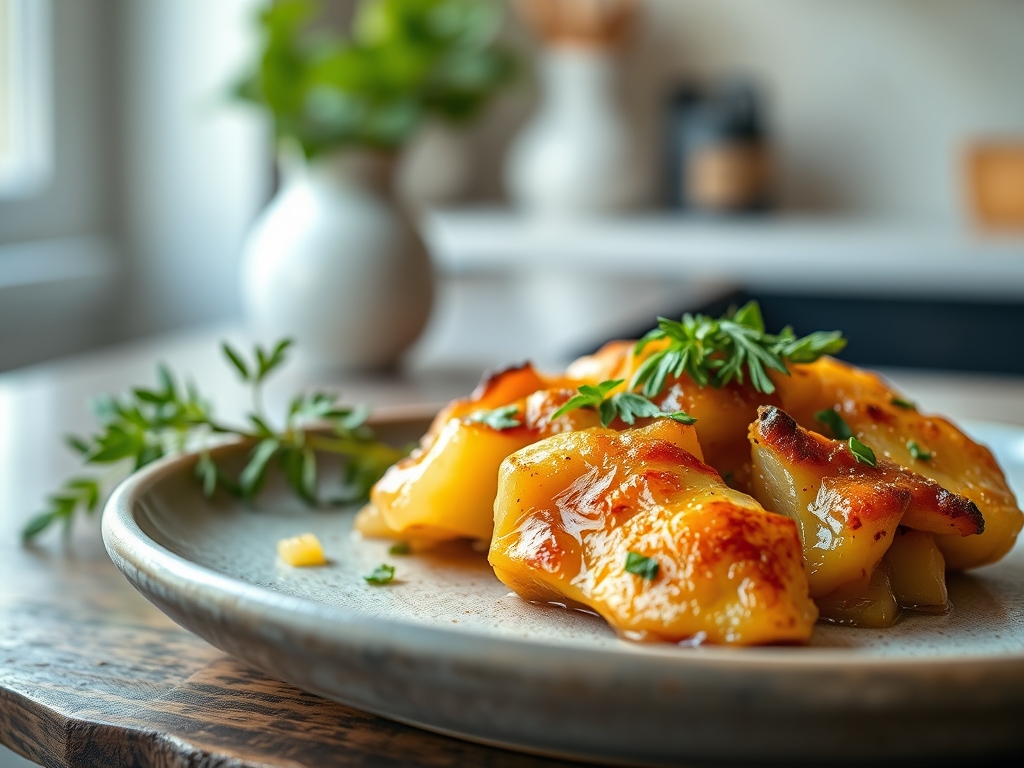
Picture the sizzle of a heavy-bottomed skillet as cold, cubed poultry hits a shimmering layer of high-smoke-point oil. Within seconds, the kitchen fills with the scent of caramelizing sugars and the sharp, piquant aroma of fresh fruit. Finding pineapple chicken recipes easy enough for a Tuesday night used to be a challenge; now, it is your secret weapon for a fifteen-minute flavor explosion.
The magic lies in the contrast. You have the savory, umami-rich depth of soy sauce clashing beautifully with the bright, acidic punch of tropical fruit. This is not just a meal; it is a lesson in flavor balancing. We are moving beyond the soggy, overly sweet takeout versions of the past. By understanding how heat interacts with fructose and protein, you can create a restaurant-quality glaze that clings to every morsel without becoming a cloying mess. Grab your apron and your favorite tongs. We are about to transform your dinner routine into a high-speed culinary masterclass that feels like a vacation on a plate.
The Gathers:
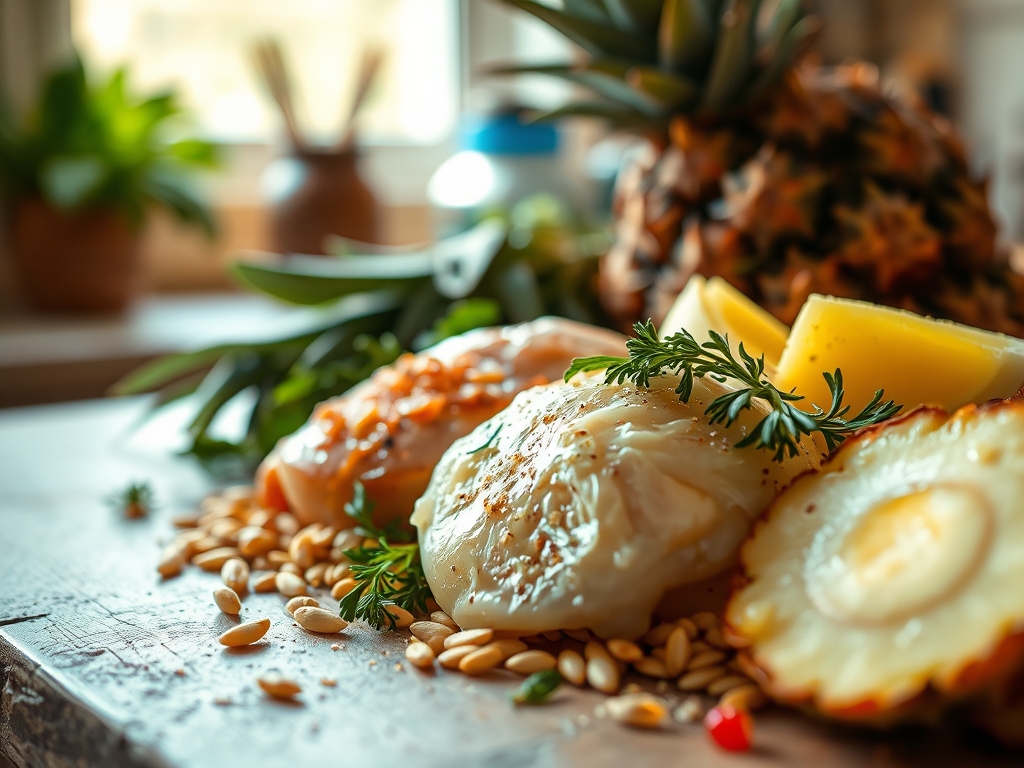
Before we ignite the burner, we must respect the mise-en-place. Your station should be organized with the precision of a laboratory. The star, of course, is the chicken. I recommend using boneless, skinless thighs for their higher fat content and resilience against overcooking. If you prefer breast meat, ensure you slice it against the grain to shorten the muscle fibers, resulting in a more tender bite.
Next, let us talk about the fruit. Fresh pineapple contains bromelain, a powerful enzyme that breaks down proteins. If you marinate for too long, your chicken will turn to mush. Canned pineapple is actually a "smart cheat" here because the canning process heat-treats the fruit, deactivating the bromelain while preserving the sweetness. You will also need aromatics: fresh ginger and garlic are non-negotiable. Use a microplane to grate them into a fine paste; this increases the surface area, allowing the essential oils to infuse the sauce instantly.
Smart Substitutions:
If you are out of soy sauce, liquid aminos or tamari provide that necessary salt hit. For the sweetener, honey offers a floral note, but brown sugar contains molasses which aids in a deeper Maillard reaction. If you want a spicy kick, a teaspoon of sambal oelek or red pepper flakes will cut through the sugar beautifully.
The Clock:
Efficiency in the kitchen is all about "Chef's Flow." This means performing tasks in an order that eliminates downtime. Total preparation time for these pineapple chicken recipes easy variations is ten minutes, with a cook time of just eight to twelve minutes.
While your skillet preheats, you should be whisking your sauce components in a small saucier or bowl. Do not wait until the chicken is browned to start measuring your cornstarch. By the time the meat is rendered and golden, your "slurry" should be ready to hit the pan. This synchronized approach ensures that the chicken does not sit and lose its internal moisture while you hunt for the ginger.
The Masterclass:
1. The Sear and Render
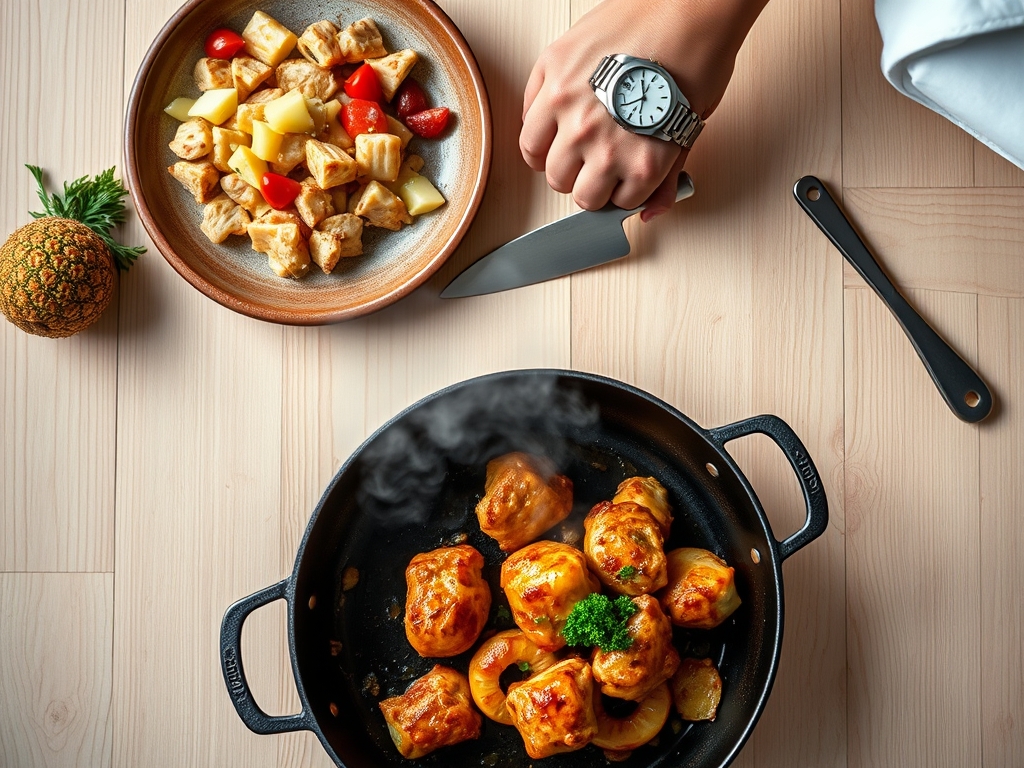
Pat your chicken bone-dry with paper towels. Moisture is the enemy of the sear. Place the pieces in a single layer in a preheated cast-iron or heavy-bottomed skillet. Do not crowd the pan; if you add too much meat at once, the temperature drops, and the chicken will steam in its own juices rather than brown.
Pro Tip: This stage relies on the Maillard reaction, a chemical reaction between amino acids and reducing sugars that creates savory flavor compounds. If the meat sticks, it is not ready to flip. Wait for it to naturally release from the pan surface.
2. Infusing Aromatics
Once the chicken is eighty percent cooked, push it to the perimeter of the pan. Add a splash of sesame oil to the center and drop in your grated ginger and garlic. Sauté for only thirty seconds until fragrant.
Pro Tip: Aromatics are fat-soluble. By toasting them briefly in oil before adding liquid, you volatilize the essential oils, ensuring the flavor permeates the entire dish rather than just sitting on top.
3. The Deglaze and Glaze
Pour in your sauce mixture (pineapple juice, soy sauce, and vinegar). Use a wooden spoon or bench scraper to scrape up the "fond"—those delicious brown bits stuck to the bottom of the pan. Add the pineapple chunks now.
Pro Tip: This is deglazing. The acidity in the juice dissolves the caramelized proteins (fond), incorporating them back into the sauce for a complex, built-in savory base.
4. The Emulsification
Add your cornstarch slurry (cornstarch mixed with cold water). Stir constantly as the sauce bubbles. You will see it transform from a cloudy liquid to a translucent, viscous glaze that coats the back of a spoon.
Pro Tip: Cornstarch granules undergo starch gelatinization at approximately 144 degrees Fahrenheit. They swell and absorb liquid, creating a thick network that traps water and prevents the sauce from thinning out.
The Deep Dive:
Macro Nutrition
A standard serving of these pineapple chicken recipes easy styles provides roughly 280 calories, 32 grams of protein, and 14 grams of carbohydrates. To keep the glycemic index low, swap the white sugar for a monk fruit sweetener and serve over cauliflower rice.
Dietary Swaps
- Vegan: Replace chicken with extra-firm tofu or seitan. Press the tofu for twenty minutes first to ensure it crisps up.
- Keto: Use xanthan gum instead of cornstarch to thicken the sauce and substitute the pineapple juice with a splash of apple cider vinegar and pineapple extract.
- Gluten-Free: Always use tamari or coconut aminos in place of traditional soy sauce.
The Fix-It: Technical Troubleshooting
- The Sauce is Too Thick: Add a tablespoon of chicken stock or water and whisk vigorously over low heat to thin the viscosity.
- The Chicken is Dry: You likely experienced thermal carryover. Remove the chicken from the heat when it hits 160 degrees Fahrenheit; it will reach the safe 165 mark while resting.
- The Flavor is Flat: It needs "brightening." Add a squeeze of fresh lime juice or a teaspoon of rice vinegar at the very end to wake up the palate.
Meal Prep and Reheating
To maintain "day-one" quality, store the sauce and chicken together. When reheating, avoid the microwave if possible. Instead, use a small skillet with a tablespoon of water. The steam will re-hydrate the starch molecules in the sauce, preventing that "rubbery" texture common with reheated poultry.
The Wrap-Up:
Mastering pineapple chicken recipes easy enough for a weeknight is a total game changer. You have learned how to manage enzymatic activity, trigger the Maillard reaction, and emulsify a perfect glaze. This dish is vibrant, fast, and scientifically sound. Whether you are feeding a hungry family or just prepping for a busy week, these techniques ensure a perfect result every single time. Now, go forth and deglaze with confidence!
The Kitchen Table:
Can I use frozen pineapple for this recipe?
Yes, frozen pineapple works perfectly. Thaw it slightly and pat dry to avoid excess water diluting your sauce. The freezing process actually breaks down the fruit's cellular structure, often making it release its sweet juices faster during the cooking process.
How do I make the chicken extra crispy?
Toss the raw chicken pieces in a light coating of cornstarch or arrowroot powder before searing. This creates a starchy barrier that fries in the oil, resulting in a golden, "shatter-crisp" exterior that holds onto the sauce beautifully.
Is it safe to marinate chicken in pineapple juice overnight?
No, avoid long marinations. The bromelain enzyme in fresh pineapple will digest the muscle fibers, turning the chicken mushy and grainy. Limit marinating to thirty minutes or use canned juice, which has been heat-treated to deactivate those specific enzymes.
What is the best way to store leftovers?
Place leftovers in an airtight glass container for up to three days. Glass is non-porous and won't absorb the strong garlic and ginger scents. Reheat gently on the stovetop with a splash of water to loosen the starch-based glaze.