
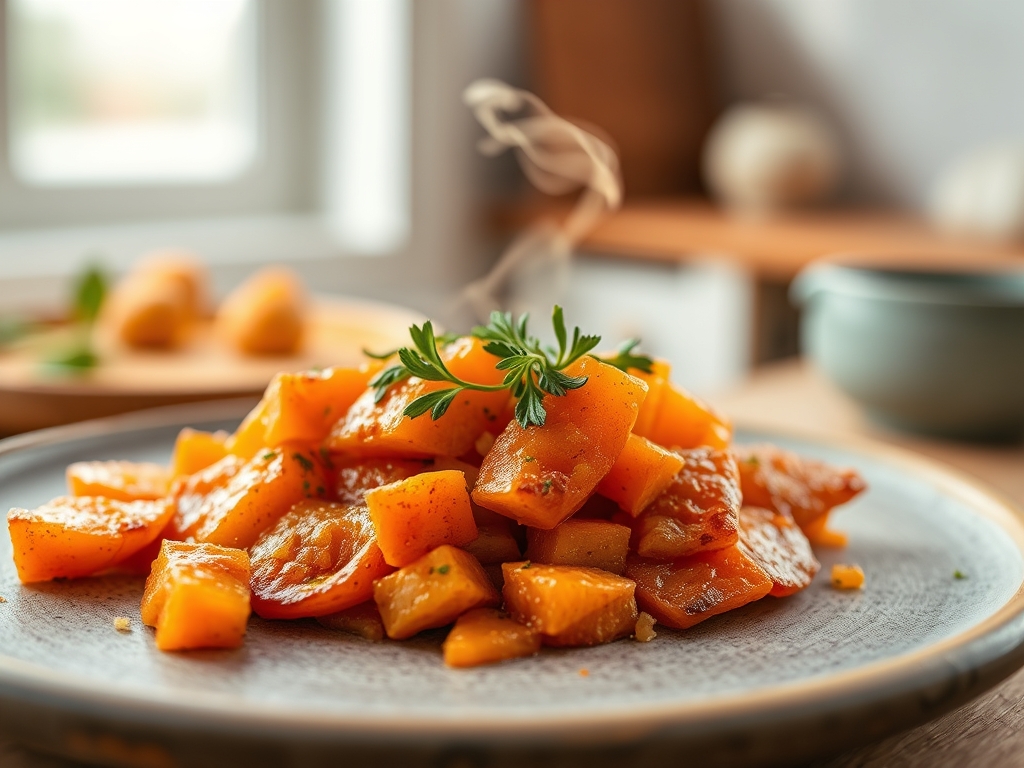
Imagine the scent of caramelized sugars and toasted pecans wafting through your kitchen on a Tuesday night without the hour of scrubbing dirt off tubers. Finding canned sweet potato recipes easy to execute is like discovering a culinary cheat code; it is the secret to getting that deep, autumnal warmth in under twenty minutes. We are talking about velvety textures and rich, earthy sweetness that usually requires a slow roast, now condensed into a convenient, shelf-stable tin.
The magic of the canned sweet potato lies in its pre-processed state. These gems are typically blanched or steamed before canning, which means the starch has already undergone gelatinization. When you open that lid, you are not just looking at a side dish; you are looking at a base for gnocchi, a thickener for piquant curries, or the soul of a brown butter mash. We are going to elevate these humble cans using professional techniques that respect the science of flavor. Forget the cloying, marshmallow-topped clichés of the past. We are leaning into high-contrast seasonings and texture-driven finishes that will make your guests swear you spent the afternoon peeling and roasting.
The Gathers:
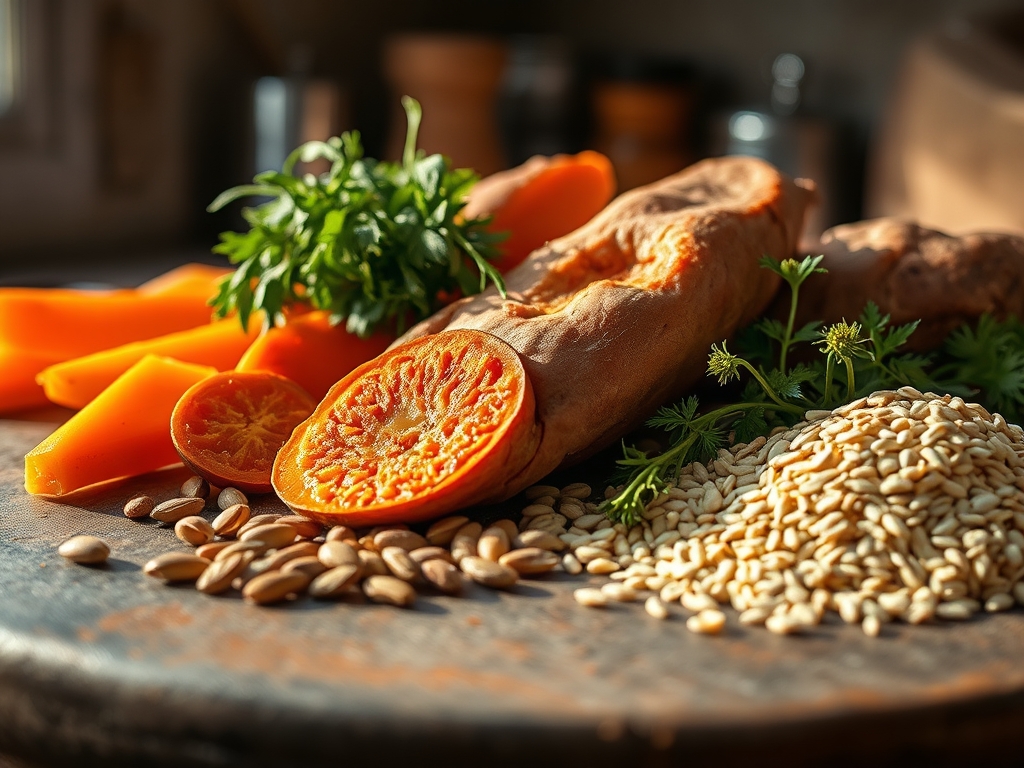
To master these canned sweet potato recipes easy style, your mise-en-place must be precise. Start with a high-quality brand of yams or sweet potatoes packed in light syrup or water. If they are in syrup, we will be using a fine-mesh strainer to remove the excess viscous liquid, which prevents our final dishes from becoming overly saccharine. You will also need a fat source to carry flavor; think high-fat European butter or cold-pressed coconut oil.
For the aromatics, gather fresh ginger, garlic, and perhaps a sprig of rosemary. The science of infusion is key here; we want to draw out the fat-soluble compounds in these herbs to coat the potato starch. On the dry side, have your digital scale ready for flour if we are making gnocchi, or a microplane for zesting citrus to cut through the density.
Smart Substitutions:
If you find yourself without heavy cream for a mash, a full-fat coconut milk provides a similar lipid profile with a tropical flair. No maple syrup? A splash of bourbon and a pinch of brown sugar creates a complex, smoky profile that mimics the depth of wood-aged sweeteners. If you are dodging dairy, a high-quality miso paste adds the savory umami depth usually provided by parmesan or butter.
The Clock
Efficiency in the kitchen is all about the Chef's Flow. For most of these upgrades, your active prep time is a mere 5 to 10 minutes. The total cook time rarely exceeds 15 minutes because the potatoes are already structurally soft.
The flow works like this: start by draining and rinsing your potatoes to control the sugar content. While they air-dry on a paper towel, use your heavy-bottomed skillet to render your fats or toast your spices. By the time your aromatics are fragrant, your potatoes are ready to be seared or mashed. This overlapping of tasks ensures that no heat is wasted and your flavors remain vibrant rather than muted by overcooking.
The Masterclass
1. The Brown Butter Sear
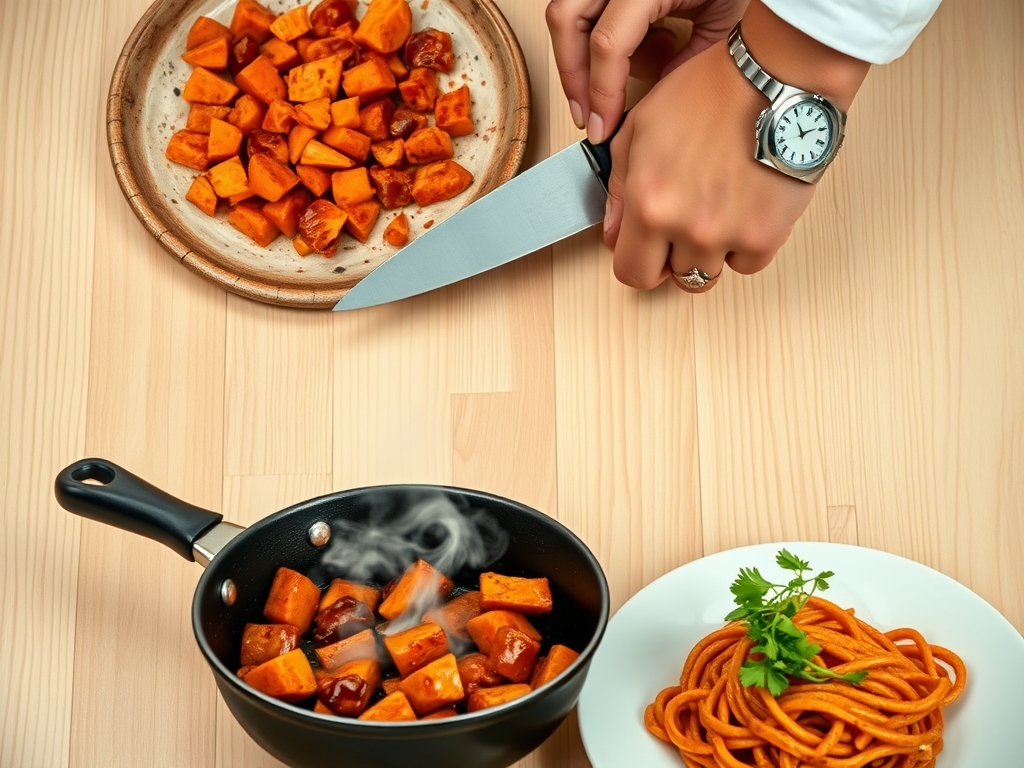
Drain the potatoes and pat them bone-dry. Heat a saucier or skillet over medium heat and add unsalted butter. Once the butter foams and the milk solids begin to turn golden brown, drop in the potato chunks.
Pro Tip: This relies on the Maillard Reaction. By removing surface moisture first, you allow the sugars to caramelize quickly against the hot fat before the interior turns to mush.
2. The Velvety Emulsion Mash
Transfer the potatoes to a bowl and use a potato ricer for the smoothest possible texture. Fold in room-temperature fats and a splash of acidic liquid like apple cider vinegar.
Pro Tip: Use the principle of emulsification. Adding fats slowly while the potatoes are warm allows the starch molecules to trap the fat, creating a silky mouthfeel rather than a greasy one.
3. The Piquant Curry Fold
Sauté red curry paste in a touch of oil until the oil separates. Toss in sliced canned sweet potatoes and a splash of lime juice.
Pro Tip: This technique uses lipid-solubility. The heat releases the capsaicin and aromatic oils in the curry paste, which then infuse directly into the porous surface of the sweet potato.
4. The Crispy Sage Roast
Place drained potatoes on a sheet pan, drizzle with olive oil, and scatter fresh sage leaves. Roast at 425 degrees Fahrenheit for 12 minutes.
Pro Tip: Watch for thermal carryover. Take the pan out when the edges are just starting to darken; the residual heat of the pan will finish the crisping process without burning the delicate sage.
5. The Miso-Glazed Medley
Whisk together miso, honey, and a drop of toasted sesame oil. Brush this over the potatoes and broil for 3 minutes.
Pro Tip: This is a lesson in hygroscopy. The honey and miso will draw out a tiny bit of moisture while creating a tacky, savory glaze that sticks to the potato skin.
6. The Quick Gnocchi Base
Mash the potatoes and mix with flour and an egg yolk on a clean surface using a bench scraper. Roll, cut, and boil.
Pro Tip: Minimize gluten development. Work the dough as little as possible. Over-mixing will lead to rubbery gnocchi instead of the desired pillowy texture.
7. The Spiced Bourbon Whip
Whip the potatoes with a hand mixer, adding a teaspoon of bourbon and a dash of cinnamon.
Pro Tip: The alcohol in the bourbon acts as a flavor enhancer. It bridges the gap between the fat-heavy cream and the water-based potato sugars, making the flavors pop.
8. The Smoky Chipotle Smash
Roughly mash the potatoes with a fork and stir in minced chipotle peppers in adobo sauce.
Pro Tip: This balances the pH levels. The smokiness and acidity of the adobo sauce cut through the natural sweetness of the potato, creating a balanced, savory side dish.
9. The Toasted Streusel Topping
Top your prepared potatoes with a mix of oats, flour, and cold butter bits. Bake until golden.
Pro Tip: This provides textural contrast. The human brain finds "crunchy plus creamy" combinations more satisfying because they engage more sensory receptors during mastication.
The Deep Dive
When we look at the macro nutrition of canned sweet potatoes, they are a powerhouse of Vitamin A and fiber. One cup provides over 200 percent of your daily recommended intake of beta-carotene. For those on specific diets, these canned sweet potato recipes easy adaptations are simple. For Vegan diners, swap butter for avocado oil or cashew cream. For Keto followers, keep portions small and focus on savory preparations with high-quality fats to mitigate the natural carb count. For Gluten-Free needs, use almond flour or cornstarch as a thickener or binder.
The Fix-It:
If your potatoes are too watery, spread them on a baking sheet and bake at 350 degrees for 10 minutes to evaporate excess moisture. If they are too sweet, add a teaspoon of lemon juice or a pinch of cayenne to provide a flavor counterpoint. If the texture is grainy, pass the mash through a fine-mesh sieve to break down any fibrous strands.
Meal Prep Science:
To maintain "day-one" quality, store your prepared potatoes in an airtight glass container. When reheating, avoid the microwave if possible. Use a skillet with a lid and a teaspoon of water; the steam will re-hydrate the starches without making the edges rubbery.
The Wrap-Up
Mastering canned sweet potato recipes easy style is about respecting the ingredient while giving it a much-needed glow-up. By using tools like the microplane and bench scraper, and understanding the chemistry of the Maillard reaction, you turn a pantry staple into a gourmet experience. These nine upgrades prove that you do not need hours of prep to create a dish that is sophisticated, nutritious, and deeply satisfying. Now, go grab that can opener and start experimenting with those bold, savory flavors!
The Kitchen Table
Can I use the liquid from the can?
It is generally best to drain and rinse the potatoes. The canning liquid is often high in sodium or excess sugar; removing it allows you to control the seasoning and prevents a "canned" aftertaste in your final dish.
How do I stop them from getting mushy?
Avoid over-handling the potatoes once they are heated. Use a gentle fold technique with a silicone spatula rather than aggressive stirring. If searing, ensure your pan is screaming hot to create a crust before the interior softens further.
Are canned sweet potatoes as healthy as fresh?
Yes, they retain most of their fiber and Vitamin A during the canning process. Just be sure to check the label for added sugars. Rinsing them under cold water can reduce the sugar content by up to 30 percent.
What is the best way to reheat leftovers?
Reheat them in a covered skillet over medium-low heat with a tiny splash of broth or water. This creates a steam-convection effect that warms the center without drying out the exterior, preserving that velvety, fresh-cooked texture.