
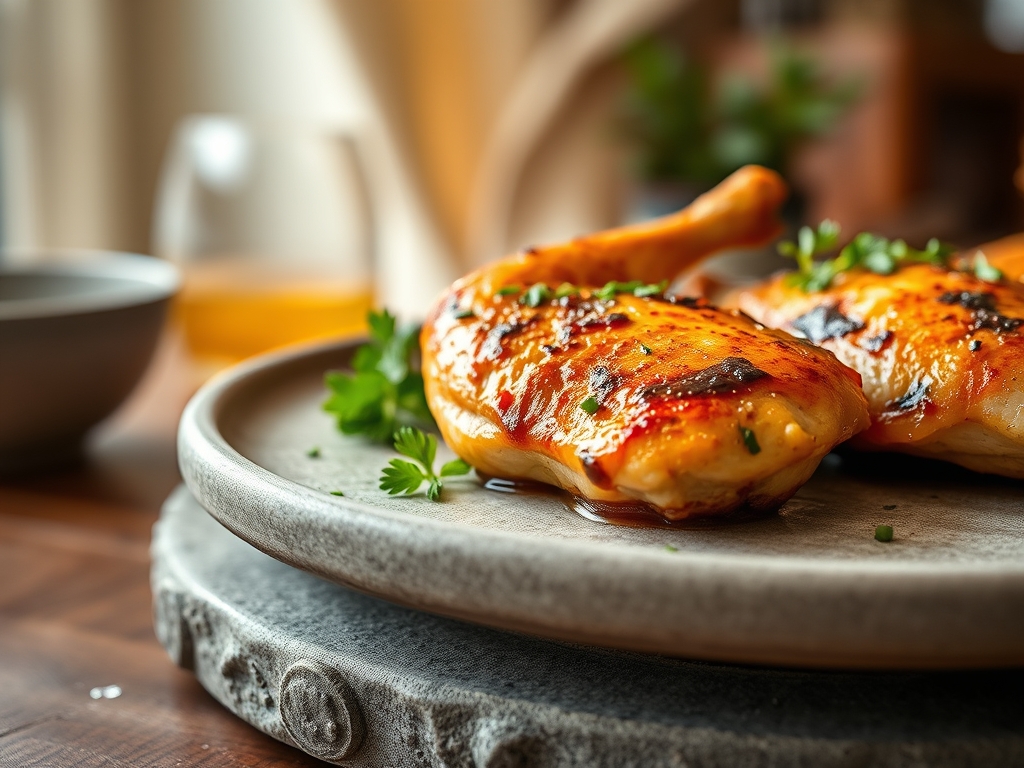
Close your eyes and imagine the scent of blue smoke swirling around your patio. It is that intoxicating mix of hardwood hickory and the savory aroma of rendering poultry fat. When you master chicken recipes on traeger grills, you are not just cooking; you are performing a delicate dance of thermodynamics and flavor chemistry. We have all suffered through that one dry, chalky bird at a neighborhood cookout. It is a culinary tragedy that ends today. By leveraging the convection power of a pellet grill, we can achieve a skin so crisp it crackles like parchment paper while keeping the interior meat glistening with moisture. Whether you are aiming for a sticky bourbon glaze or a sharp lemon-herb infusion, the secret lies in the precision of the wood fire. We are going to dive deep into the mechanics of smoke penetration and protein denaturation to ensure every bite is a revelation of texture and taste.
The Gathers:
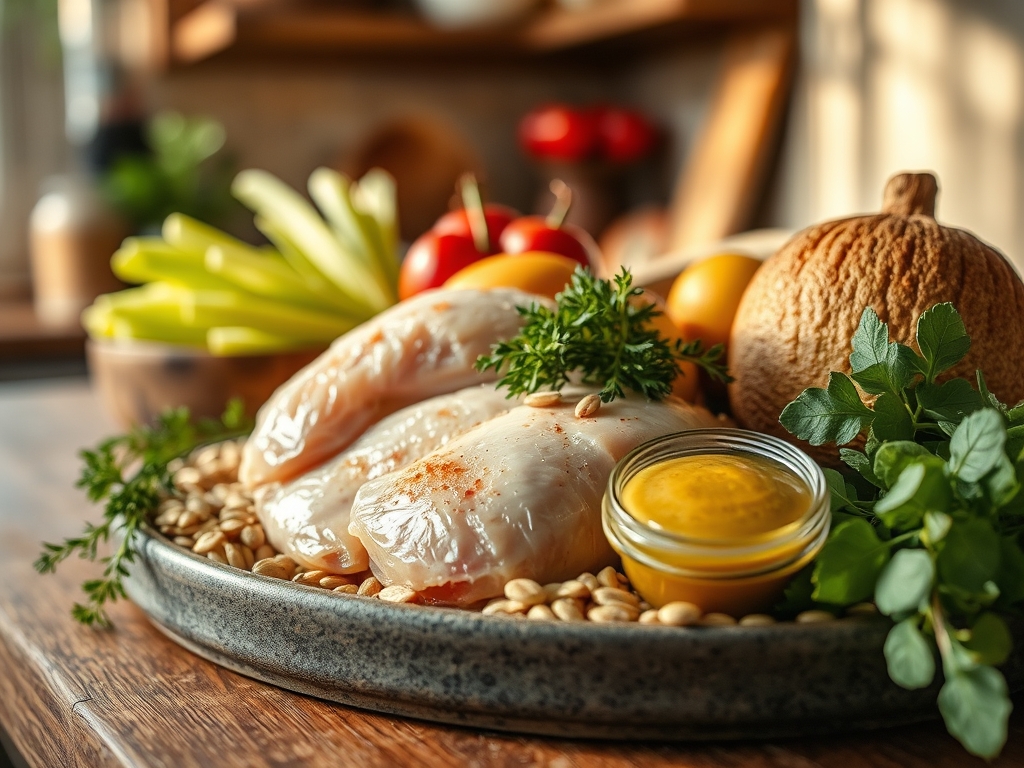
Before we ignite the fire, we must assemble our laboratory of flavor. For these chicken recipes on traeger, your mise-en-place is the difference between a frantic scramble and a seamless execution. You will need high-quality proteins; think air-dried organic birds for superior skin dehydration. Your pantry should boast a collection of hygroscopic agents like kosher salt and brown sugar to facilitate the osmotic exchange.
Gather your professional tools. You will need a microplane for zesting citrus and grating fresh garlic into a fine paste. A digital scale is non-negotiable for measuring salt by weight rather than volume to ensure consistent salinity. Keep a heavy-bottomed skillet nearby if you plan to sear any aromatics before they hit the grill.
Smart Substitutions: If you lack applewood pellets, cherry wood offers a similar fruity profile with a deeper mahogany hue. No buttermilk for your marinade? Whisk whole milk with a tablespoon of lemon juice to create an acidic environment that mimics the tenderizing properties of lactic acid. If you are avoiding refined sugars in your rubs, coconut sugar provides a similar caramelization point without the glycemic spike.
The Clock: Timing the Flow
Great cooking is about managing the Chef's Flow. This is the art of overlapping tasks so that nothing sits idle. Prep time for these seven variations typically spans 30 minutes of active labor, but the "inactive" time is where the magic happens. A dry brine requires at least four hours to penetrate the muscle fibers. Once the Traeger is preheated, cooking times vary from 45 minutes for drumsticks to 90 minutes for a spatchcocked whole bird. Always factor in a 15-minute rest period. This allows the internal pressure to stabilize and the juices to redistribute from the center back to the periphery.
The Masterclass: Seven Steps to Smoky Perfection
1. The Spatchcock Technique
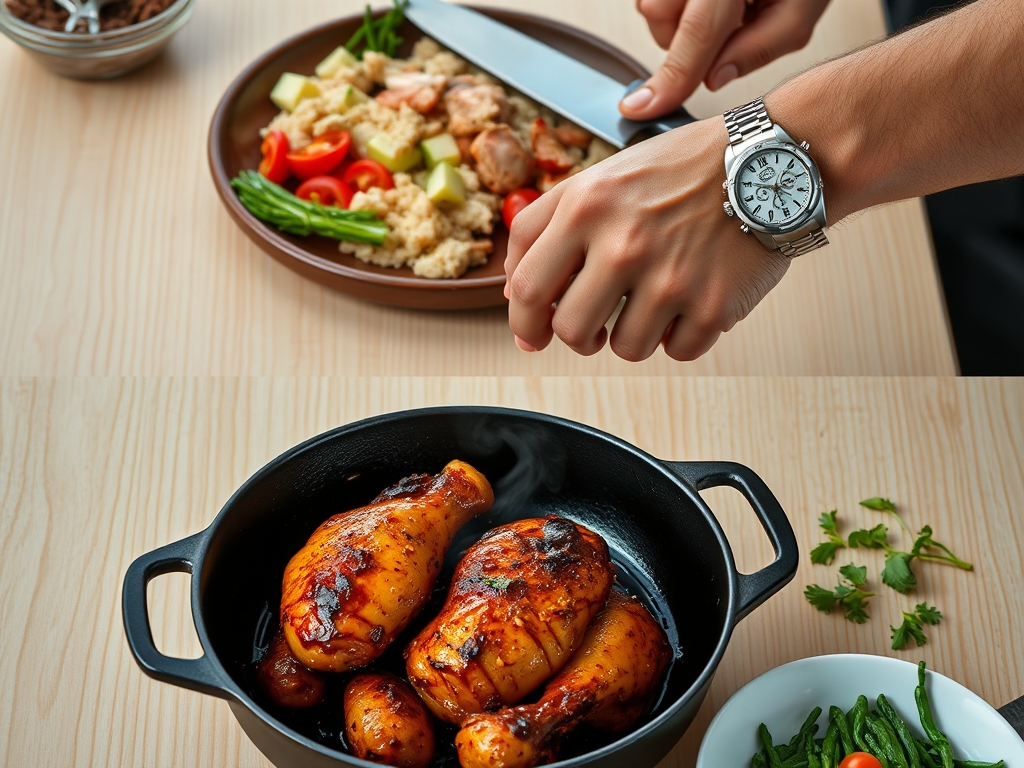
Using heavy-duty kitchen shears, remove the backbone of the bird. Lay it flat and press down on the breastbone until it cracks. This increases the surface area exposed to the heat.
Pro Tip: This technique utilizes thermal conductivity more efficiently. By flattening the bird, you ensure the dark meat and white meat reach their target temperatures simultaneously, preventing the breast from overcooking while the thighs finish.
2. The Osmotic Brine
Generously coat the skin with a mixture of salt, smoked paprika, and garlic powder. Let it sit uncovered in the refrigerator.
Pro Tip: This process involves diffusion. Salt draws moisture out of the skin, dissolves into a concentrated brine, and is then reabsorbed into the meat. This seasons the bird to the bone and breaks down tough proteins for a more tender result.
3. The Low and Slow Infusion
Set your Traeger to 225 degrees Fahrenheit. Place the chicken on the grates and let it bathe in the smoke for the first 30 minutes.
Pro Tip: This stage focuses on the adsorption of smoke particulates. Cold meat absorbs smoke more readily than warm meat. Keeping the initial temperature low allows the smoke rings to form before the exterior proteins coagulate and seal the surface.
4. The Heat Ramp for Maillard Reaction
Increase the grill temperature to 375 degrees Fahrenheit for the final leg of the cook.
Pro Tip: The Maillard reaction is a chemical reaction between amino acids and reducing sugars that gives browned food its distinctive flavor. This high-heat finish transforms dull, rubbery skin into a golden, crisp masterpiece.
5. The Viscous Glaze Application
Using a silicone brush or a saucier, apply your chosen sauce during the last 10 minutes of cooking.
Pro Tip: Glazes contain sugars that can burn quickly. By waiting until the end, you allow the sauce to reduce and become viscous without carbonizing. This creates a tacky, lacquer-like finish that clings to the meat.
6. The Precision Pull
Use a high-quality instant-read thermometer to check the internal temperature. Pull the breast at 160 degrees and the thighs at 175 degrees.
Pro Tip: Account for thermal carryover. The internal temperature will continue to rise by 5 to 7 degrees after you remove the chicken from the grill. Pulling it slightly early ensures you hit the "sweet spot" of 165 degrees for safety without losing moisture.
7. The Resting Phase
Transfer the chicken to a warm cutting board and tent loosely with foil. Wait at least 15 minutes before carving with a sharp chef's knife or bench scraper.
Pro Tip: Resting allows the liquid-phase proteins to thicken. If you cut too soon, the internal pressure will force the juices out onto the board, leaving you with dry meat. Patience is a literal ingredient here.
The Deep Dive: Nutrition and Troubleshooting
When we look at the macro nutrition of these chicken recipes on traeger, we are seeing a high-protein, moderate-fat profile. A standard 6-ounce serving of smoked chicken breast provides roughly 40 grams of protein and 6 grams of fat. To keep it Keto-friendly, swap the sugar in the rub for erythritol. For a Vegan alternative, use the same smoking techniques on "hen of the woods" mushrooms or thick-cut cauliflower steaks; they absorb smoke beautifully.
The Fix-It: Common Pitfalls
- Rubbery Skin: This happens if the temperature is too low. Fix it by cranking the heat to 425 degrees for the last 5 minutes to render the subcutaneous fat.
- Bitter Smoke Flavor: This is caused by "dirty smoke" or poor airflow. Ensure your fire pot is clean and you are using high-quality, food-grade pellets.
- Uneven Cooking: If one side is browning faster, check your grill's hot spots. Use tongs to rotate the bird 180 degrees halfway through the cook.
Meal Prep Magic: To reheat leftovers without that "warmed-over" taste, avoid the microwave. Use a saucier to create a small amount of steam in a pan or use an air fryer at 350 degrees for 4 minutes. This restores the crispness of the skin through rapid dehydration of the surface moisture.
The Wrap-Up
Mastering chicken recipes on traeger grills is the ultimate flex for any home cook. It combines the primal joy of fire with the sophisticated precision of modern technology. You have the tools, you have the science, and now you have the confidence to produce a bird that will have your guests begging for your "secret" recipe. Remember, cooking is just delicious chemistry; treat your kitchen like a lab and your grill like a sanctuary. Now, go get those pellets moving and create something legendary!
The Kitchen Table
How do I prevent chicken from sticking to the Traeger grates?
Ensure your grates are scrubbed clean with a wire brush. Apply a high-smoke-point oil, like grapeseed, to the grates using a folded paper towel and tongs just before placing the meat down to create a non-stick barrier.
Can I use frozen chicken for these recipes?
Always thaw chicken completely in the refrigerator before smoking. Frozen meat cooks unevenly and prevents the smoke from penetrating the fibers correctly. For the best Maillard reaction, pat the skin completely dry with paper towels before seasoning.
What is the best wood pellet flavor for chicken?
Fruitwoods like apple, cherry, or maple are superior for poultry. They provide a sweet, mild smoke that complements the delicate flavor of the meat without overpowering it. Hickory is a great secondary choice for those who prefer a bolder profile.
How long can I store smoked chicken in the fridge?
Smoked chicken remains safe and flavorful for up to four days when stored in an airtight container. For the best texture, keep the skin as dry as possible during storage to prevent it from becoming soggy during the reheating process.