
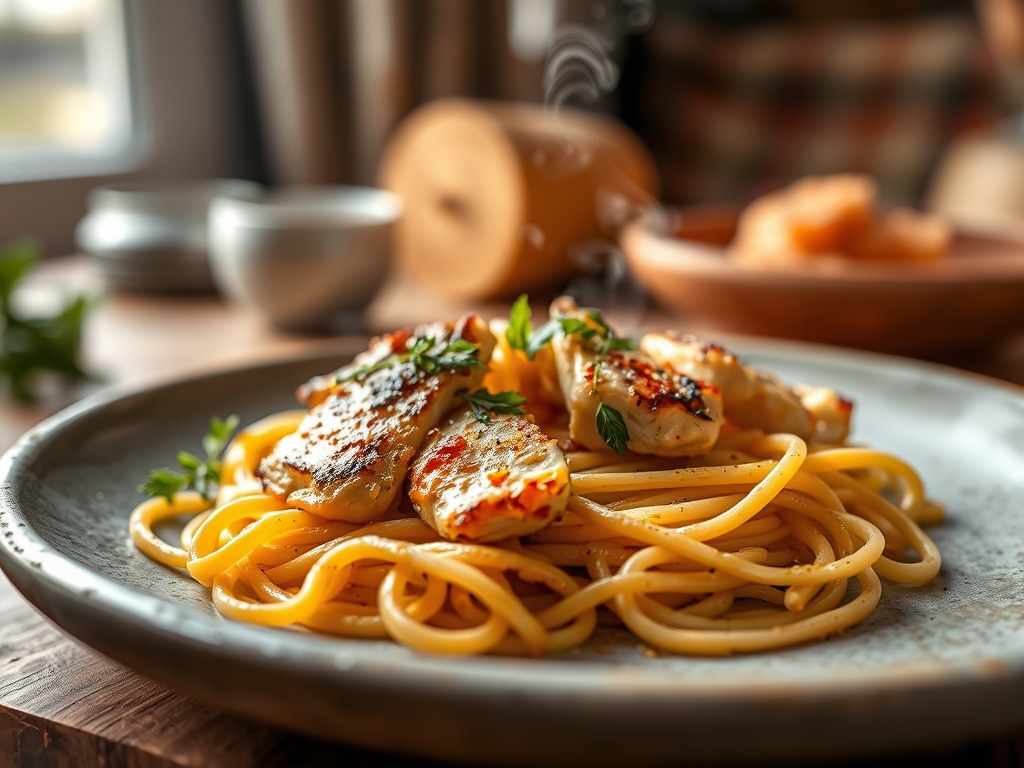
Picture the steam rising from a heavy-bottomed skillet as the aroma of garlic and golden poultry fills your kitchen. There is a specific, undeniable magic that happens when you master the art of linguine chicken recipes. It is the perfect marriage of structural integrity and silky sauce adhesion. Unlike the thin fragility of angel hair or the heavy dominance of fettuccine, linguine offers a flat, narrow surface area that is scientifically ideal for clinging to emulsified sauces. When you pair this with perfectly seared chicken breast, you are not just making dinner; you are orchestrating a symphony of textures. We are moving beyond basic pasta and into the realm of professional-grade culinary execution. Whether you are craving a piquant lemon-caper finish or a rich, viscous Alfredo, the foundation remains the same. It is about the tension between the al dente bite of the pasta and the tender, juicy yield of the protein. Let us dive into the mechanics of why these flavors work so well together and how you can achieve restaurant-quality results in your own home kitchen without the stress of a professional line.
The Gathers:
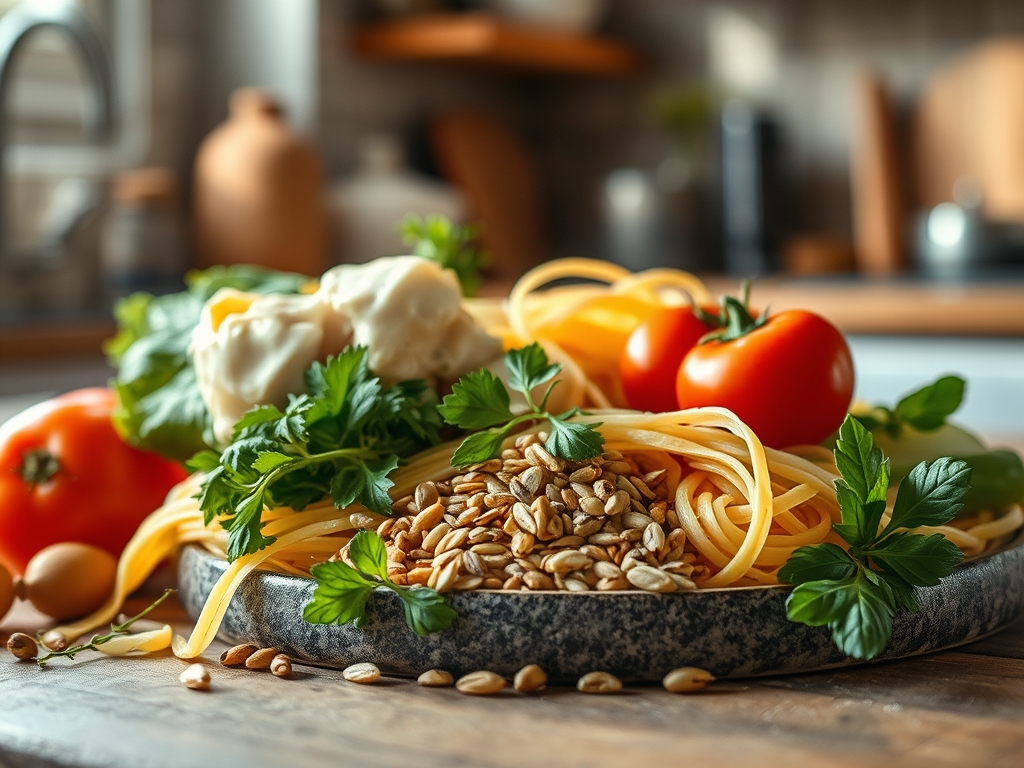
To execute world-class linguine chicken recipes, your mise-en-place must be precise. Start with high-quality bronze-die extruded pasta. This specific manufacturing process creates a rougher surface texture on the noodle, which is essential for sauce cling. For your protein, choose air-chilled chicken breasts or thighs. Air-chilled poultry has less water retention, which allows for superior Maillard reaction and browning. You will need a high-smoke-point fat like avocado oil or clarified butter to sear the meat without scorching.
Your aromatics should include fresh garlic, shallots, and perhaps a sprig of woody herbs like thyme or rosemary to infuse the oil. For the sauce base, keep heavy cream, high-quality chicken stock, and a dry white wine like Sauvignon Blanc on hand to deglaze the pan. Do not forget the finishing touches: a block of Parmigiano-Reggiano (never the pre-shredded kind, which is coated in anti-clumping starches) and a fresh lemon for that necessary hit of acidity.
Smart Substitutions: If you are avoiding dairy, a high-fat cashew cream provides the same viscous mouthfeel as heavy cream. For a gluten-free alternative, brown rice linguine holds its shape better than corn-based versions. If you lack white wine, a splash of verjus or a teaspoon of white wine vinegar diluted in stock will provide the required brightness without the alcohol.
The Clock
Efficiency in the kitchen is all about "Chef's Flow." Total active time for most linguine chicken recipes is approximately 40 minutes. You should spend 15 minutes on prep: slicing the chicken into uniform medallions, mincing garlic with a sharp chef's knife, and grating cheese with a microplane.
The cooking phase takes roughly 25 minutes. The secret is overlapping your tasks. Start your large pot of salted water first; it takes longer to reach a rolling boil than you think. While the water heats, sear your chicken. By the time the chicken is resting, the pasta should be hitting the water. This timing ensures that your noodles go directly from the boiling water into the sauce, utilizing the residual heat and starch to create a perfect emulsion.
The Masterclass
1. The Sear and Render
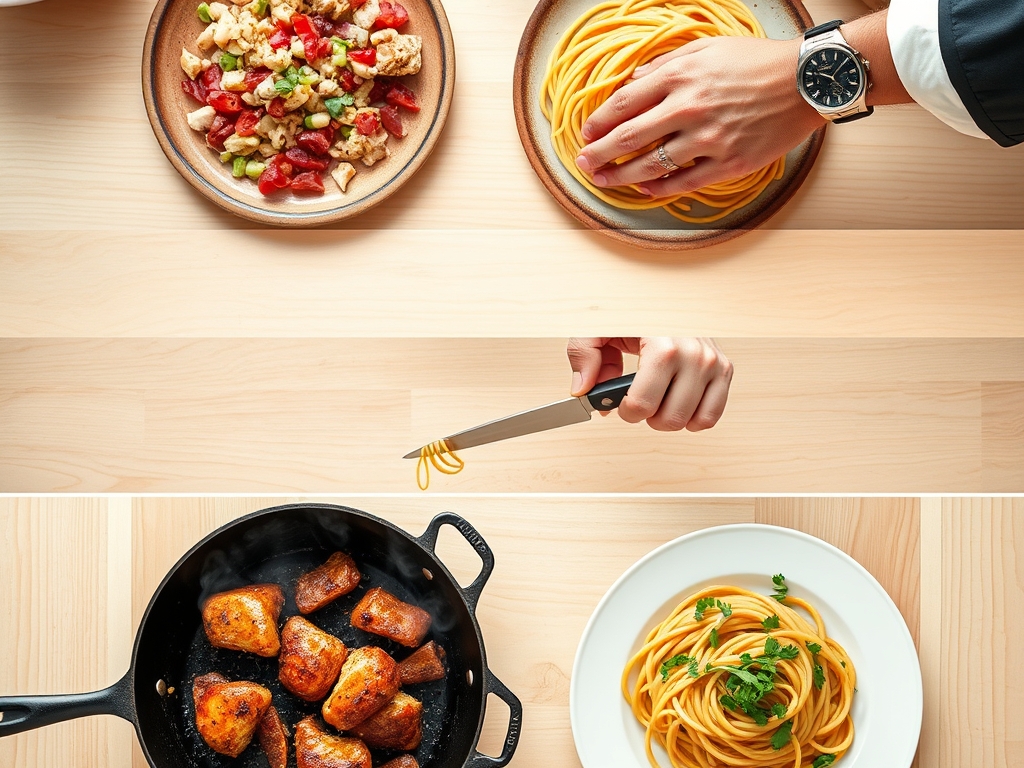
Place your chicken in a preheated heavy-bottomed skillet. Do not crowd the pan, as this causes the temperature to drop and the meat to steam rather than sear. Use tongs to flip the pieces only once they release naturally from the surface.
Pro Tip: This stage relies on enzymatic browning. By leaving the chicken undisturbed, you allow amino acids and reducing sugars to transform into hundreds of flavor compounds. This creates the "fond" or the brown bits on the bottom of the pan that form the soul of your sauce.
2. The Pasta Precision
Drop your linguine into water that is as salty as the sea. Use a digital scale to measure 10 grams of salt per liter of water. Cook the pasta for exactly two minutes less than the package directions suggest for "al dente."
Pro Tip: This is called starch gelatinization. By pulling the pasta early, you allow it to finish cooking inside the sauce. This allows the noodle to absorb the flavored liquid rather than just plain water, resulting in a much deeper flavor profile.
3. The Deglaze and Emulsify
Remove the chicken and add your aromatics. Once fragrant, pour in your wine or stock. Use a whisk or wooden spoon to scrape up the fond. Add your cream or butter and a splash of starchy pasta water.
Pro Tip: The pasta water contains released starches that act as a natural emulsifier. This binds the fats and liquids together, preventing the sauce from "breaking" or becoming oily. It creates that velvety, professional sheen.
4. The Marriage of Elements
Toss the undercooked linguine and the seared chicken back into the skillet. Use a saucier or high-sided pan to vigorously toss the mixture. This incorporates air and ensures every strand is coated.
Pro Tip: Watch for thermal carryover. The chicken and pasta will continue to cook for several minutes after being removed from the heat. Pulling them off the stove while they look "just slightly" underdone ensures they are perfect by the time they hit the plate.
The Deep Dive
From a nutritional standpoint, linguine chicken recipes offer a balanced profile of complex carbohydrates and lean protein. A standard serving provides roughly 35g of protein and 50g of carbohydrates. To optimize this for different diets:
- Keto: Swap linguine for "zoodles" or hearts of palm pasta; increase the healthy fats in the sauce.
- Vegan: Use roasted oyster mushrooms instead of chicken and nutritional yeast for a "cheesy" umami hit.
- GF: Ensure your chicken is dredged in almond flour or cornstarch rather than wheat flour.
The Fix-It:
- Broken Sauce: If your sauce looks curdled, it is likely too hot. Remove from heat and whisk in a tablespoon of cold heavy cream or pasta water to re-emulsify.
- Rubbery Chicken: This is caused by overcooking. Use a digital thermometer to pull the chicken at 160F; carryover heat will bring it to the safe 165F.
- Gummy Pasta: This happens when the pot is too small. Use at least 4 quarts of water per pound of pasta to prevent the starch concentration from becoming too high.
Meal Prep Science: To reheat, avoid the microwave if possible. Instead, use a small skillet with a splash of milk or water. This re-hydrates the starches and loosens the fats without "breaking" the sauce structure, maintaining that day-one quality.
The Wrap-Up
Mastering linguine chicken recipes is a gateway to culinary confidence. Once you understand the relationship between the Maillard reaction on the chicken and the starch-driven emulsion of the sauce, you can pivot to endless variations. You are no longer just following a recipe; you are manipulating heat and chemistry to create something beautiful. So, grab your tongs, salt your water generously, and get ready to impress yourself. Dinner is served, and it is spectacular.
The Kitchen Table
Which part of the chicken is best for linguine?
Chicken thighs are more forgiving due to higher fat content, staying juicy during high-heat searing. However, chicken breasts offer a leaner profile and a clean canvas for delicate lemon or cream-based sauces. Both work beautifully if monitored with a thermometer.
How do I stop my pasta from sticking together?
Use a large pot with plenty of water and stir immediately after dropping the noodles. This disperses the surface starch. Never add oil to the water, as it prevents the sauce from adhering to the linguine later in the process.
Can I make the sauce ahead of time?
You can prep the base, but for the best texture, emulsify the sauce right before serving. Starchy pasta water is a volatile ingredient that loses its binding power as it cools, so the final "marriage" should always happen fresh.
What is the best way to mince garlic for pasta?
Use a microplane for a fine paste that melts into the sauce, or a sharp knife for thin slivers. Slicing provides a mellow, nutty flavor when toasted, while grating releases more sulfur compounds for a pungent, spicy kick.