
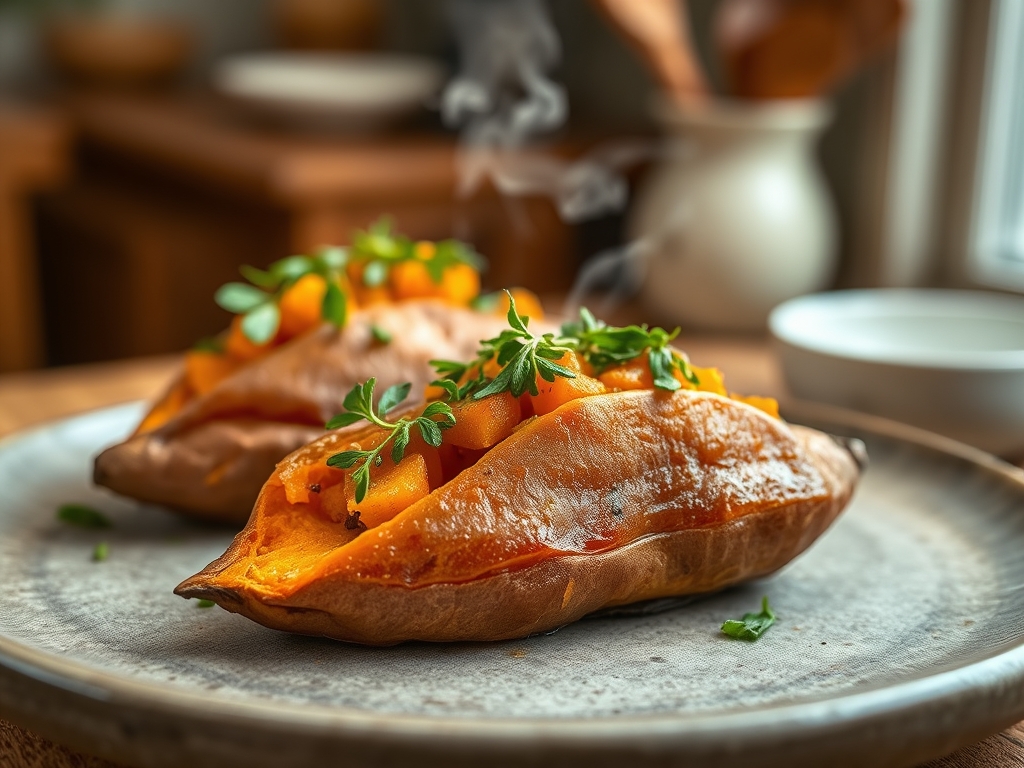
Imagine the scent of caramelized sugar wafting through your kitchen as the oven door creaks open. It is a deep, earthy aroma that signals the transformation of a humble tuber into a velvet masterpiece. Mastering whole baked sweet potato recipes is not just about dinner; it is about unlocking the molecular potential of complex carbohydrates through slow, steady heat.
The sweet potato is a botanical marvel. Unlike its starchy white cousin, the orange-fleshed jewel or garnet variety is packed with beta-carotene and fiber. When we bake them whole in their skins, we create a pressurized steam chamber that softens the cellulose while concentrating the natural sugars. It is the ultimate canvas for nutrient-dense toppings that turn a simple side dish into a high-performance fuel source for your busy life.
We are moving beyond the marshmallows and brown sugar of yesteryear. We are diving into savory, piquant, and protein-packed iterations that respect your macros without sacrificing that "hug in a bowl" feeling. Whether you are meal prepping for a high-intensity week or hosting a cozy dinner, these six hacks will elevate your spud game from basic to brilliant. Grab your apron; we are about to turn "healthy" into "heavenly."
The Gathers:
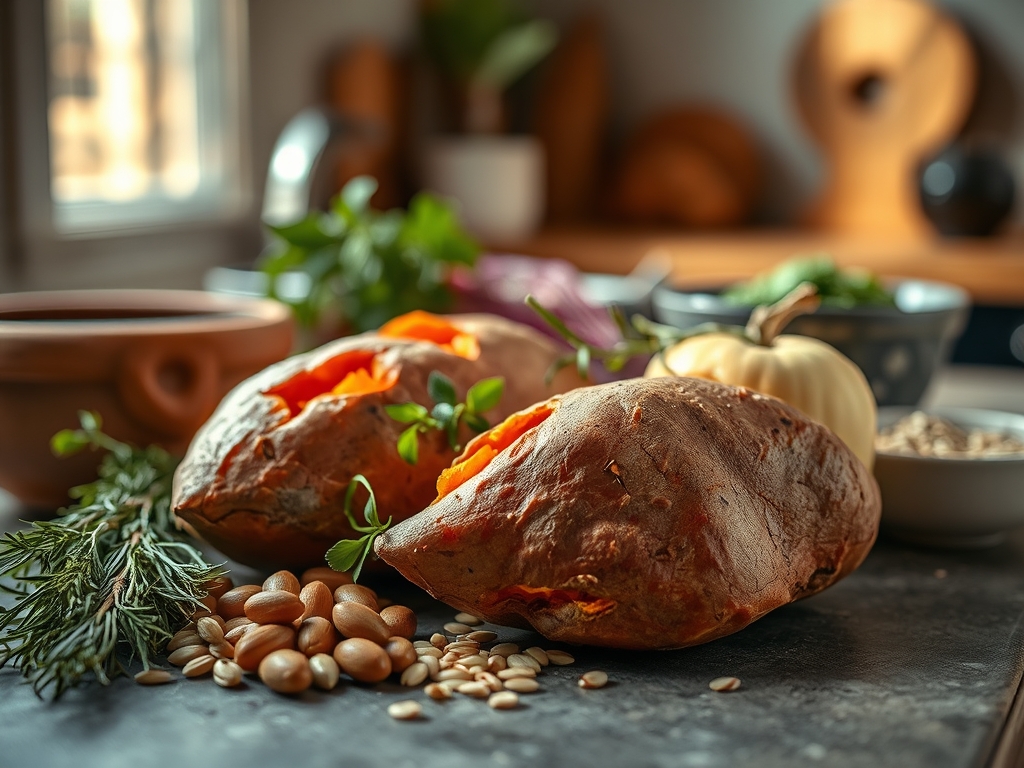
To execute these whole baked sweet potato recipes with precision, your mise-en-place must be intentional. Start with medium-sized organic sweet potatoes; uniformity is key for consistent cook times. You will need a high-smoke-point fat like avocado oil or clarified butter to coat the skins. This ensures the exterior becomes crisp rather than leathery.
For the toppings, gather your microplane for zesting citrus and grating hard cheeses like Pecorino Romano. Have a digital scale ready to measure out protein portions like smoked salmon, pulled chicken, or chickpeas. You will also need a heavy-bottomed skillet for rendering fats or sautéing aromatics like shallots and garlic.
Smart Substitutions:
If you are avoiding dairy, swap Greek yogurt for a viscous cashew cream or tahini drizzle. For those on a low-lectin protocol, replace black beans with toasted walnuts or hemp hearts to maintain that essential crunch. If you cannot find garnet potatoes, Japanese Murasaki potatoes offer a chestnut-like flavor and a drier, fluffier crumb that holds up beautifully to heavier sauces.
The Clock:
The "Chef's Flow" is all about overlapping tasks to maximize efficiency. Total prep time is roughly 10 minutes, while the oven does the heavy lifting for 45 to 60 minutes.
Start by preheating your oven to 400 degrees Fahrenheit. While the oven reaches temperature, scrub your potatoes and pat them bone-dry. Moisture is the enemy of a crisp skin. During the first 30 minutes of baking, prepare your "flavor bombs." This is when you use your saucier to infuse oils with chili flakes or use a bench scraper to neatly pile chopped herbs. By the time the potatoes reach a soft, give-to-the-touch consistency, your toppings are ready for assembly. This prevents the potato from cooling too much while you scramble for ingredients.
The Masterclass:
1. The Surface Preparation
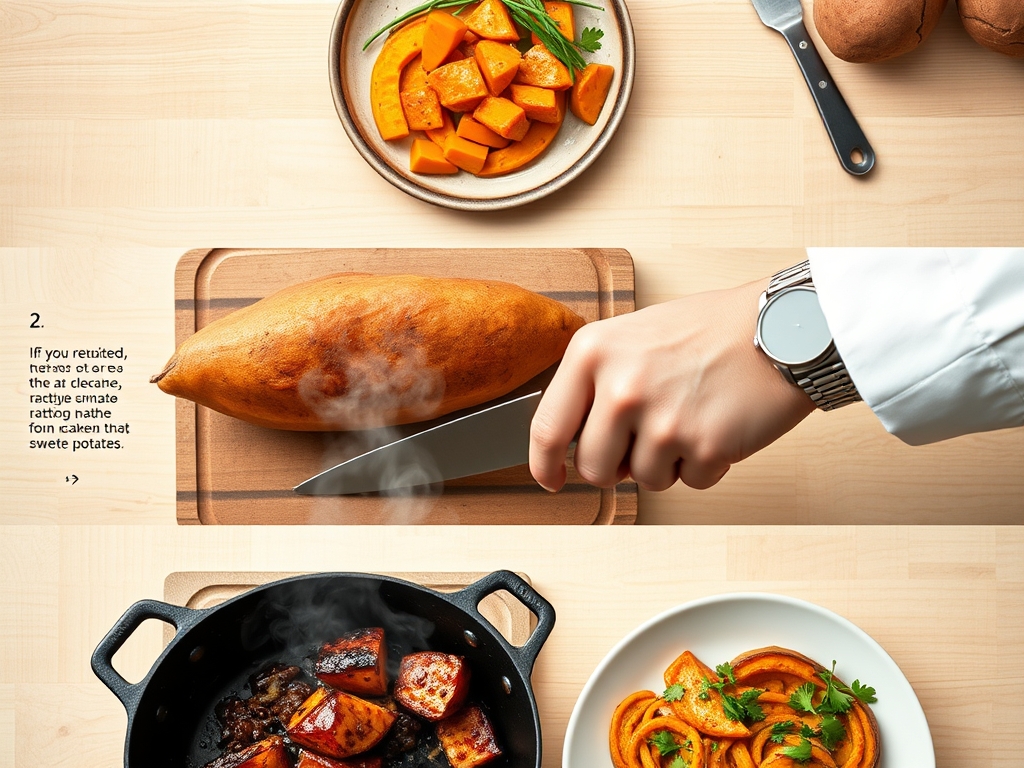
Prick the skin 5 to 6 times with a fork and rub with oil and sea salt. Use your hands to ensure every crevice is coated.
Pro Tip: Pricking the skin prevents steam buildup that could cause the potato to burst. The salt initiates osmosis, drawing out surface moisture to help the skin dehydrate and crisp up during the initial blast of heat.
2. The High-Heat Roast
Place the potatoes directly on the oven rack with a foil-lined sheet pan on the rack below to catch any escaping sugars.
Pro Tip: Placing them directly on the rack allows for 360-degree air circulation. This maximizes the Maillard reaction, a chemical reaction between amino acids and reducing sugars that gives the skin its savory, toasted flavor profile.
3. The Internal Temp Check
Use a paring knife or a probe thermometer to check for doneness. You are looking for an internal temperature of 205 to 210 degrees Fahrenheit.
Pro Tip: Reaching this specific temperature range ensures the amylase enzymes have fully converted the starches into maltose. This is why a properly baked potato tastes significantly sweeter than a boiled one.
4. The Steam Release
Once removed with tongs, immediately slice the potato down the center and use a fork to fluff the interior.
Pro Tip: This step prevents thermal carryover from turning the fluffy interior into a gummy, dense mass. Releasing the steam immediately preserves the light, aerated texture of the flesh.
5. The Emulsified Base
Add a small amount of healthy fat (grass-fed butter or olive oil) and a splash of acid (lemon juice or apple cider vinegar) to the hot flesh.
Pro Tip: Adding an acid helps to balance the natural sweetness and brightens the overall flavor profile. The fat helps to emulsify with the natural moisture of the potato, creating a creamy mouthfeel without the need for heavy cream.
6. The Layered Assembly
Top with your chosen "hack" combinations, such as Mediterranean (chickpeas and tahini) or The Powerhouse (kale, pumpkin seeds, and avocado).
Pro Tip: Always add your fresh herbs and cold toppings last. This creates a temperature contrast that makes the dish more exciting to the palate while preserving the volatile oils in fresh garnishes.
The Deep Dive:
When we look at the macro nutrition of these whole baked sweet potato recipes, we see a powerhouse of slow-release energy. One medium potato provides about 100 calories, 24 grams of carbohydrates, and 4 grams of fiber. It is a low-glycemic choice that prevents insulin spikes.
Dietary Swaps:
For a Keto-friendly adjustment, use smaller portions of the potato and load it with high-fat, zero-carb toppings like bacon, avocado, and sour cream. For Vegan versions, nutritional yeast provides a cheesy, umami hit while adding B-vitamins. All these recipes are naturally Gluten-Free, making them a safe bet for celiac-friendly meal planning.
The Fix-It:
- Soggy Skin: This happens if you wrap the potato in foil. Foil traps steam. Always bake naked on the rack for a crisp exterior.
- Hard Centers: Usually a result of uneven oven temperatures. Use an oven thermometer to ensure your appliance is calibrated correctly.
- Burnt Bottoms: If your oven runs hot on the bottom, move the rack to the middle position and use a baking stone to diffuse the heat.
Meal Prep Science:
To maintain "day-one" quality when reheating, avoid the microwave. The microwave agitates water molecules, which can make the potato rubbery. Instead, use an air fryer at 350 degrees for 5 minutes. This re-crisps the skin through convection while gently warming the center.
The Wrap-Up:
You are now officially a sweet potato savant. By understanding the chemistry of the roast and the importance of textural contrast, you have turned a pantry staple into a gourmet vessel for health. These whole baked sweet potato recipes are more than just fuel; they are a testament to how simple, whole ingredients can be transformed with the right technique. So, go ahead and get creative with your toppings. Use your microplane with abandon and remember that the best kitchen tool you own is your own curiosity. Happy baking!
The Kitchen Table:
How do I make the skin extra crispy?
Rub the dry skin with avocado oil and coarse sea salt before baking. Bake directly on the oven rack at 400 degrees Fahrenheit to allow for maximum air circulation and moisture evaporation. This triggers the Maillard reaction for a savory, toasted finish.
Can I bake sweet potatoes ahead of time?
Yes, you can bake them up to five days in advance. Store them in an airtight container in the refrigerator. For the best texture, reheat them in an air fryer or oven to restore the skin's crispness and the interior's fluffiness.
What is the best way to prevent a "gummy" texture?
Avoid overcooking and always slice the potato open immediately after taking it out of the oven. This allows trapped steam to escape. If the steam stays inside, it re-hydrates the starch granules, resulting in a dense, gummy consistency.
Are sweet potato skins safe to eat?
Absolutely, and they are highly nutritious. The skin contains a significant portion of the potato's total fiber and potassium. As long as you scrub the exterior thoroughly before baking to remove dirt, the skin provides a delicious, crunchy contrast to the soft interior.