
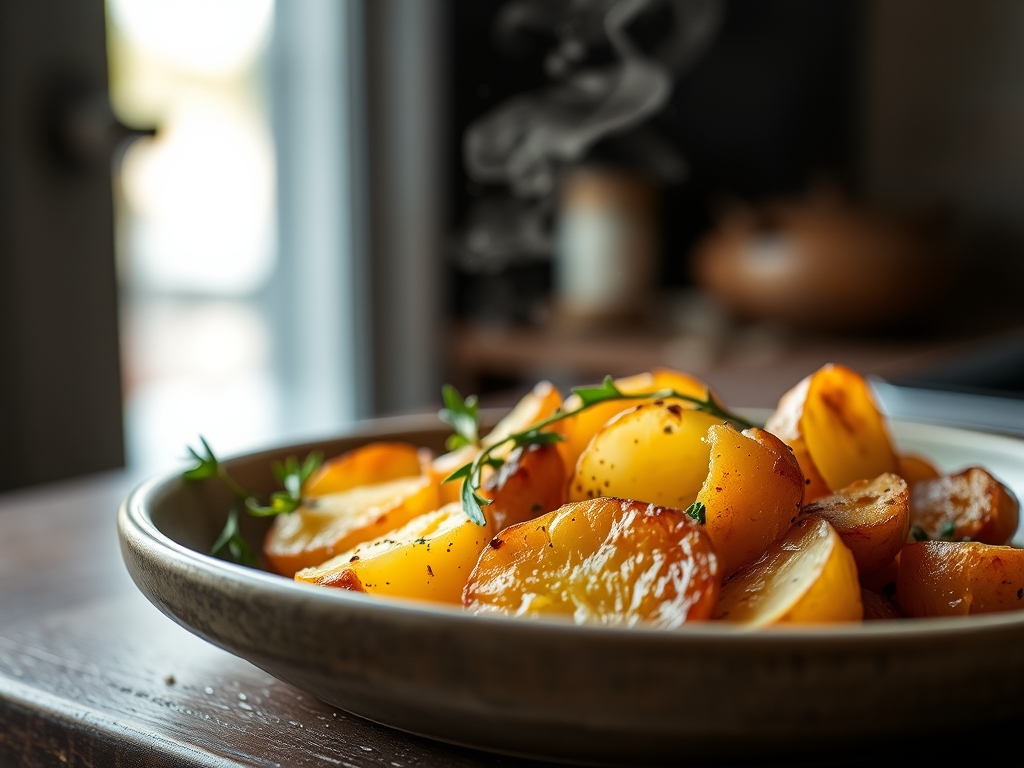
Close your eyes and listen to the sound of a fork piercing a crust so shattered and gold that it echoes. That is the siren song of the perfect spud. When you master simple potato recipes in oven techniques, you are not just making dinner; you are conducting a symphony of starch and heat. Most home cooks settle for limp, grey wedges, but we are going for that glass-like exterior and a center as fluffy as a cloud.
The magic happens when we manipulate the humble Russet or Yukon Gold into a vessel for flavor. It is about more than just tossing them in a pan. We are talking about the Maillard reaction, that glorious chemical dance between amino acids and reducing sugars that creates the savory, toasted notes we crave. To get there, we need to respect the tuber. We need to understand how moisture is the enemy of crispiness and how fat acts as a thermal conductor. Whether you are hosting a frantic Tuesday dinner or a slow Sunday roast, these secrets will elevate your kitchen game from amateur to artisanal. Grab your apron; we are about to turn basic starches into culinary gold.
The Gathers:
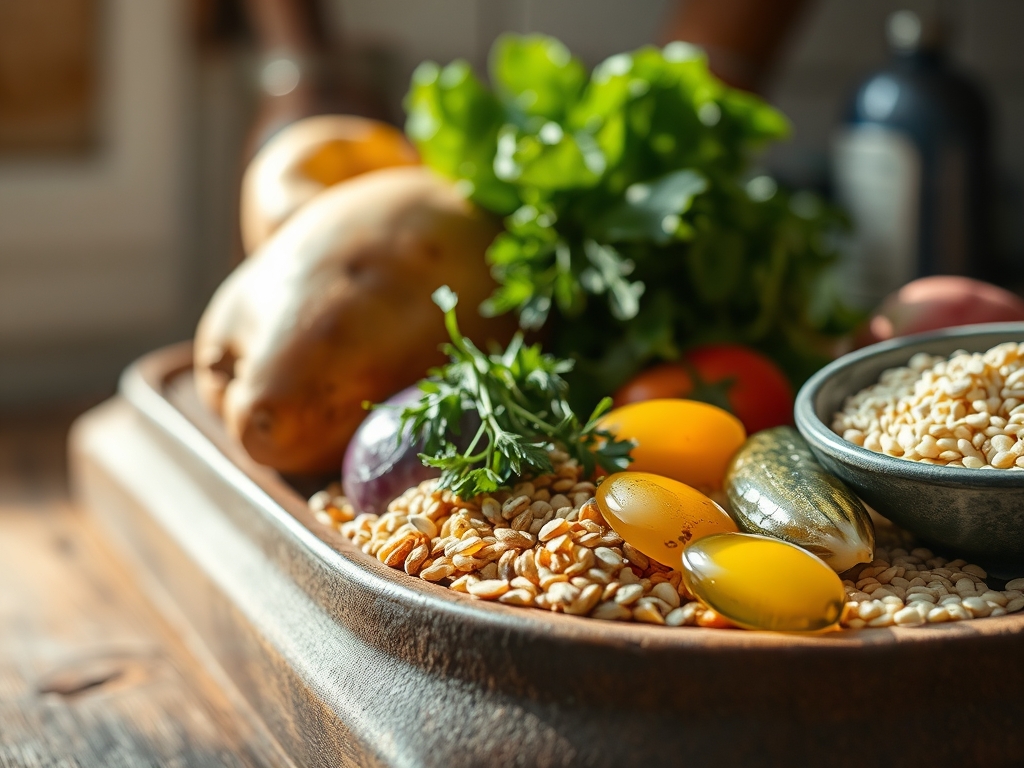
To begin our transformation, your mise-en-place must be precise. Start with high-starch Russets for maximum fluff or waxy Yukon Golds if you prefer a buttery, viscous interior. You will need a high-smoke-point fat like clarified butter or duck fat to render the edges into a deep bronze. Avoid extra virgin olive oil for high-heat roasting; its low smoke point will result in an acrid, bitter finish.
Gather your aromatics: fresh rosemary sprigs, smashed garlic cloves to infuse the oil, and flaky sea salt. For a piquant kick, keep a jar of smoked paprika or a microplane ready for a dusting of aged Parmesan. If you are looking for Smart Substitutions, swap the duck fat for avocado oil to keep it plant-based while maintaining a high thermal ceiling. If you lack Russets, red potatoes work, but you must slice them thinner to compensate for their higher moisture content. Use a digital scale to ensure your potato chunks are uniform, roughly 40 grams each, to guarantee they finish cooking at the exact same moment.
The Clock
The "Chef's Flow" is all about overlapping tasks to minimize idle time. Your total active prep should take no more than 15 minutes, while the oven does the heavy lifting for 45 to 50 minutes. Start by preheating your oven to 425 degrees Fahrenheit. While the air oscillates, peel and chop. The parboiling phase takes 8 minutes; this is your window to prepare your herb oil in a small saucier.
Once the potatoes hit the roasting pan, you have a 20-minute block to prepare a protein or a salad. Use a bench scraper to keep your workstation clear of peels and debris. The final 10 minutes of roasting is the "crust-watch" phase. This is when you toss the potatoes one last time to ensure every facet has contacted the hot metal. By the time the timer dings, your kitchen should be clean, your table set, and your potatoes radiating heat.
The Masterclass
1. The Alkaline Parboil
Place your potato chunks in a pot of cold water heavily seasoned with salt and a half-teaspoon of baking soda. Bring to a boil and simmer until the edges are just starting to soften.
Pro Tip: Adding baking soda raises the pH of the water, which breaks down the potato's pectin more effectively. This creates a starchy slurry on the surface that eventually dehydrates into a thick, ultra-crunchy crust.
2. The Rough-Up Technique
Drain the potatoes in a colander and let them steam-dry for two minutes. Give the colander a vigorous shake until the exteriors of the potatoes look frayed and fuzzy.
Pro Tip: This increases the surface area exponentially. More surface area means more room for the Maillard reaction to occur, resulting in a crunch that lasts long after the potato leaves the oven.
3. The Fat Infusion
In a heavy-bottomed skillet, heat your chosen fat with garlic and herbs until fragrant. Strain the solids and toss the hot oil with your roughed-up potatoes until they are evenly coated.
Pro Tip: Straining the aromatics prevents them from burning in the high-heat oven. Burnt garlic creates a "carbon" flavor that ruins the delicate sweetness of the potato starch.
4. The Preheated Sheet Pan
Slide your empty baking sheet into the oven for five minutes before adding the potatoes. When you drop the spuds onto the hot metal, you should hear an immediate sizzle.
Pro Tip: This initial thermal shock prevents the potatoes from sticking and begins the rendering process of the surface fats immediately, locking in the interior moisture.
5. The Space Principle
Arrange the potatoes so they are not touching. If the pan is crowded, the potatoes will steam rather than roast, leading to a soggy texture.
Pro Tip: Airflow is essential for evaporation. If moisture cannot escape the pan, it creates a humid micro-climate that inhibits the crisping process.
6. The Mid-Way Flip
Use tongs or a metal spatula to flip each piece after 25 minutes. This ensures the side touching the pan does not over-caramelize while the top remains pale.
Pro Tip: Heat transfer via conduction (the pan) is more efficient than convection (the air). Flipping ensures even thermal carryover through the center of the tuber.
7. The Finishing Dust
Once the potatoes are deep gold, remove them and immediately toss with fresh herbs and a final sprinkle of salt while they are still glistening with hot oil.
Pro Tip: Salt adheres better to hot fat. As the potatoes cool slightly, they create a vacuum effect that pulls the salt and herb oils into the microscopic crevices of the crust.
8. The Resting Phase
Transfer the potatoes to a wire rack for three minutes before serving. Do not pile them into a bowl immediately.
Pro Tip: Resting on a rack allows steam to escape from all sides. If you stack them in a bowl, the residual steam from the bottom layer will soften the crust of the top layer.
The Deep Dive
From a macro perspective, potatoes are nutritional powerhouses, offering more potassium than bananas and a healthy dose of Vitamin C. When prepared using these simple potato recipes in oven methods, you control the quality of the fats. For a Vegan swap, use refined coconut oil or avocado oil. For those on a Keto path, swap the potatoes for cauliflower florets or radishes using the same "rough-up" technique.
"The Fix-It" guide for common pitfalls:
- Soggy Potatoes: Usually caused by skipping the steam-drying step. Ensure the potatoes are bone-dry before adding oil.
- Burnt Bottoms: Your oven rack is too low. Move the pan to the center rack to balance the heat from the top and bottom elements.
- Bland Interior: You didn't salt the parboiling water. The water should taste like the sea to season the potato from the inside out.
For Meal Prep, never use a microwave to reheat. The microwave vibrates water molecules, turning your crispy crust into a rubbery mess. Instead, use an air fryer or a toaster oven at 400 degrees for five minutes to aerate the starch and restore the crunch.
The Wrap-Up
Mastering the potato is a rite of passage for any home chef. It is the ultimate comfort food, transformed by science into a sophisticated side dish. By controlling the pH levels, maximizing surface area, and respecting the laws of thermodynamics, you have turned a simple root vegetable into a masterpiece. Now, go forth and crisp; your dinner guests will thank you for the crunch that can be heard from across the room!
The Kitchen Table
Why are my roasted potatoes sticking to the pan?
You likely placed them on a cold pan or didn't use enough fat. Preheating the baking sheet creates an immediate sear that releases the potato easily. Use a heavy-bottomed pan for the best heat distribution.
Can I roast potatoes without parboiling them first?
You can, but the texture will be inferior. Parboiling creates a starchy surface layer that dehydrates into a thick, glass-like crust. Without it, the skin remains thin and often becomes leathery rather than truly crispy.
What is the best temperature for roasting potatoes?
Aim for 425 degrees Fahrenheit. This high heat triggers the Maillard reaction quickly enough to crisp the outside before the inside overcooks. If your oven has a convection setting, use it to increase air circulation.
How do I keep potatoes crispy for a party?
Keep them in a single layer on a wire rack in a warm oven (200 degrees). Never cover them with foil, as this traps steam and will immediately turn the crispy exteriors soft and soggy.