
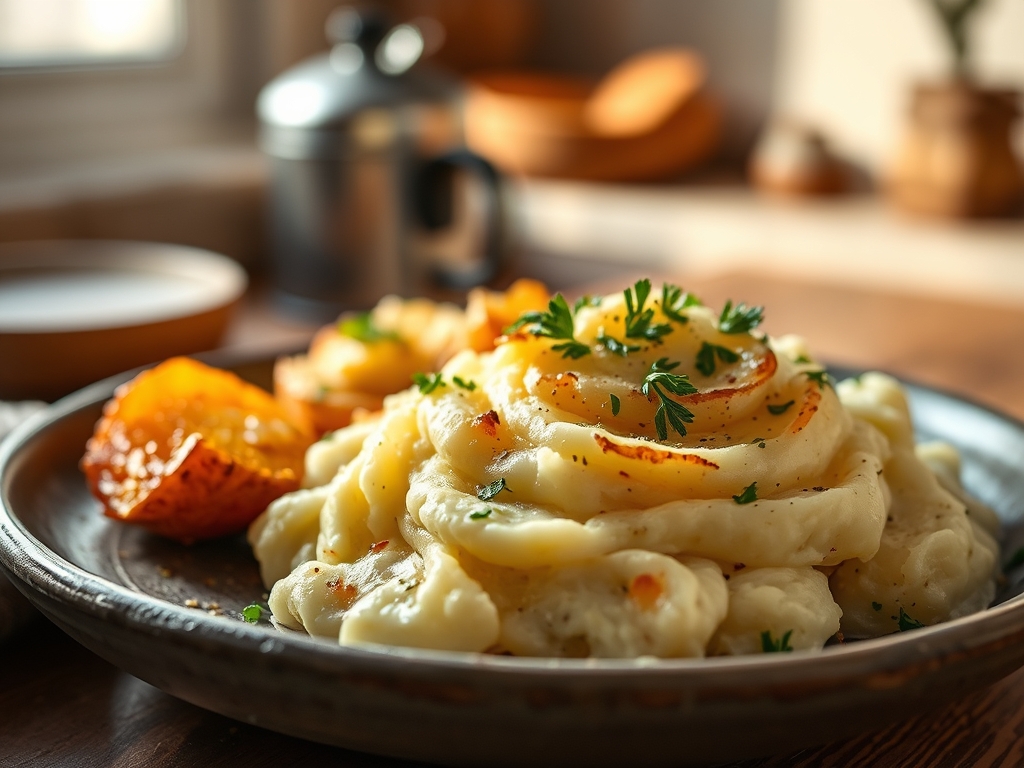
Imagine a texture so ethereal it feels less like a side dish and more like a velvet cloak for your palate. We are not talking about the chunky, rustic spuds from a Sunday potluck. We are diving into the world of authentic french mashed potato recipes; a realm where the humble tuber is elevated through molecular precision and an unapologetic amount of high-fat dairy. It is the kind of dish that makes you close your eyes and forget how to speak.
The secret to this transformation lies in the balance between starch and fat. When you master the art of the pomme puree, you are essentially creating a stable emulsion of potato solids, water, and lipids. It requires a bit of patience and a few specific professional tools, but the result is a glossy, viscous masterpiece that defies gravity. If you have ever wondered why restaurant potatoes taste like a dream while yours feel like a chore, you are about to bridge that gap with pure, unadulterated science.
The Gathers:
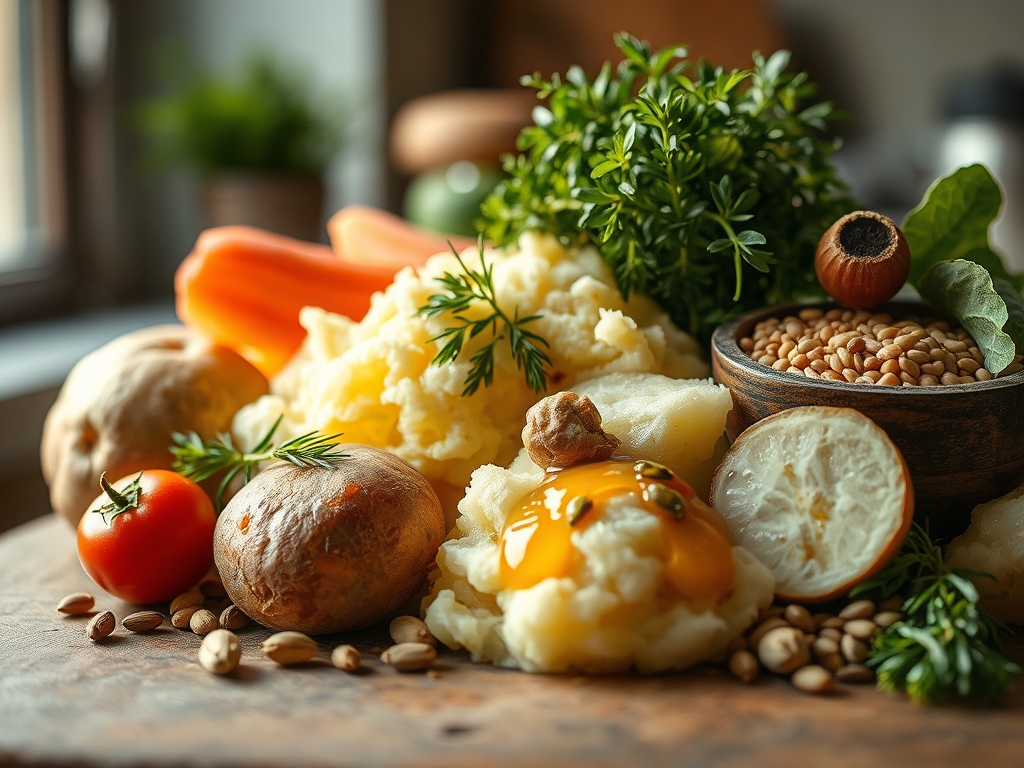
To achieve a world-class result, your mise-en-place must be impeccable. You will need a digital scale for precision, as the ratio of potato to butter is the most critical variable in the equation.
The Spuds: Seek out Yukon Gold potatoes. Their medium-starch content provides a naturally buttery hue and a waxy-enough structure to prevent the mash from becoming grainy. Avoid Russets if you want that signature French silkiness; they are too mealy for this specific application.
The Fat: Use high-quality, European-style cultured butter. This butter has a higher butterfat percentage and a lower water content, which is essential for a stable emulsion. You will also need heavy cream with at least 36 percent milkfat.
The Infusion: Fresh thyme sprigs, a whole head of garlic (halved horizontally), and high-quality sea salt.
Smart Substitutions: If you are looking for a tangier profile, swap 20 percent of the cream for creme fraiche. For a lighter version, you can substitute a portion of the butter with a high-quality extra virgin olive oil, though the flavor profile will shift from decadent to piquant.
The Clock
Efficiency in the kitchen is about "Chef's Flow." Total active time is approximately 25 minutes, but the process spans about an hour.
Prep (15 mins): Peeling and cubing the potatoes into uniform 1-inch pieces ensures they cook at the same rate. This prevents the outer layers from overcooking and releasing excess starch before the centers are soft.
The Simmer (20-25 mins): Start the potatoes in cold, heavily salted water. This allows the heat to penetrate the starch granules evenly from the start.
The Finish (15 mins): This is the high-intensity phase. You will be working quickly with a saucier and a fine-mesh tamis or a ricer to incorporate the fats while the potatoes are still steaming.
The Masterclass
1. The Cold Start
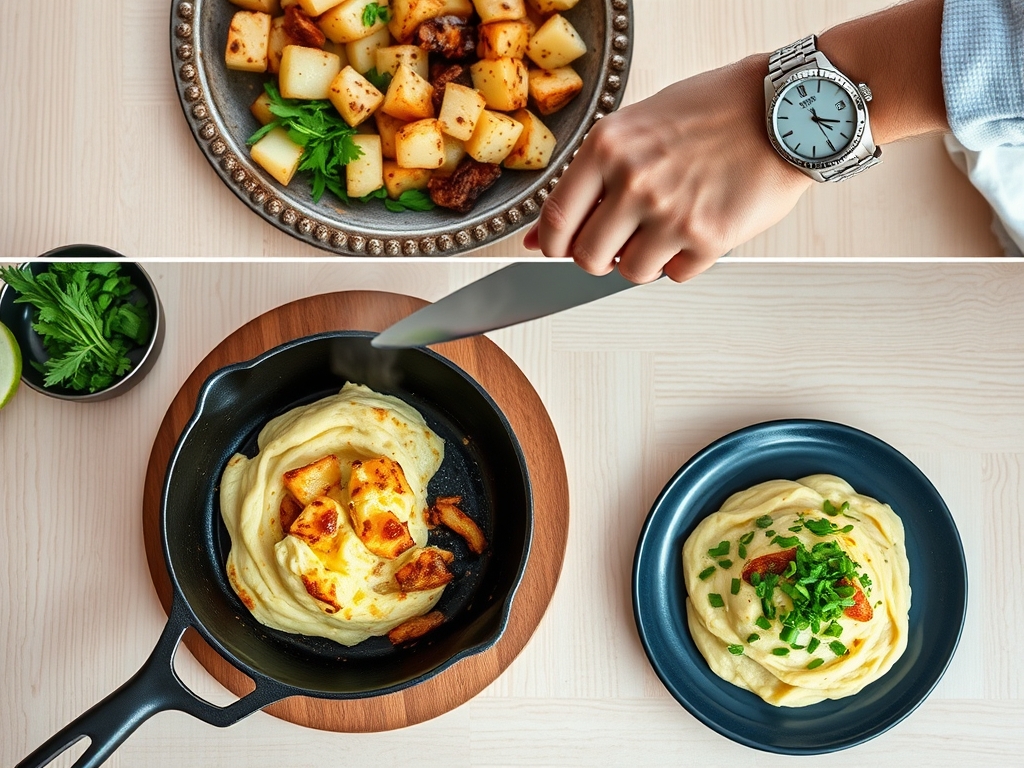
Place your peeled, cubed potatoes in a large pot and cover with cold water. Add a generous handful of salt. Bringing the water to a boil gradually ensures that the pectin in the cell walls breaks down at the same rate as the starch gelatinizes.
Pro Tip: This prevents a "hard core" in your potatoes. If you drop potatoes into boiling water, the outside overcooks and disintegrates while the inside remains starchy and firm.
2. The Steam Dry
Once fork-tender, drain the potatoes and return them to the warm pot over low heat for 60 seconds. Shake the pot constantly. You want to see a thin, white film of starch on the bottom of the pot.
Pro Tip: This step is crucial for moisture evaporation. By removing excess water, you create "space" within the potato cells to soak up the butter and cream instead of water.
3. The Refinement
Pass the hot potatoes through a ricer or, for the ultimate French texture, press them through a fine-mesh tamis using a bench scraper. This mechanical breakdown ensures there are zero lumps.
Pro Tip: Avoid a food processor at all costs. The high-speed blades tear the starch granules apart, releasing too much amylose and turning your puree into a gummy, glue-like paste.
4. The Butter Emulsion
In a separate saucier, melt your butter into the cream over low heat. Slowly whisk this warm mixture into the potatoes one ladle at a time. Use a sturdy whisk to aerate the mixture as you go.
Pro Tip: This is a classic fat-in-water emulsion. Adding the fat slowly prevents the mixture from "breaking," which would result in a greasy pool of oil on top of your mash.
5. The Aromatics
While the potatoes are simmering, infuse your cream with the garlic and thyme. Strain the solids out before adding the liquid to the potatoes.
Pro Tip: This uses fat-soluble flavor extraction. The essential oils in the herbs and the sulfur compounds in the garlic bind to the fat molecules in the cream for a deeper flavor profile.
6. The Final Pass
For a true "Robuchon-style" finish, pass the fully mixed puree through the tamis one last time. This ensures every single molecule is coated in fat.
Pro Tip: This second pass accounts for thermal carryover. The heat of the potatoes continues to soften any remaining microscopic starch clumps, allowing for a perfectly smooth finish.
7. The Seasoning
Finish with a dusting of white pepper and a final pinch of fleur de sel. Use a microplane to grate a tiny hint of fresh nutmeg over the top.
Pro Tip: White pepper is used purely for aesthetics in french mashed potato recipes. It provides the necessary heat without the "black specks" that would disrupt the pristine, ivory appearance.
The Deep Dive
Macro Nutrition: A standard serving of this decadent puree is high in carbohydrates and fats. One cup contains approximately 350 calories, 25g of fat, and 30g of carbohydrates. It is a celebratory dish, not a daily staple.
Dietary Swaps:
- Vegan: Use a high-quality vegan butter substitute and full-fat oat milk. The oat milk provides a similar viscosity to heavy cream.
- Keto: Swap potatoes for steamed cauliflower. You must squeeze every drop of moisture out of the cooked cauliflower using a cheesecloth before pureeing.
- GF: This recipe is naturally gluten-free.
The Fix-It:
- Too Gummy: You over-worked the starch. Fold in a little more warm cream to loosen the structure; do not whisk further.
- Too Thin: You added too much liquid. Simmer the mixture on very low heat in a heavy-bottomed skillet to evaporate moisture while stirring constantly.
- Lumpy: You didn't use a tamis. Pass the entire mixture through a fine strainer now to save the texture.
Meal Prep: To reheat, do not use a microwave. Place the potatoes in a small pot with a splash of milk and whisk over low heat. This restores the emulsion without "breaking" the fat.
The Wrap-Up
Mastering french mashed potato recipes is a rite of passage for any serious home cook. It is a lesson in patience, temperature control, and the glorious power of lipids. When you pull that first spoonful of glossy, silk-like potato from the pot, you will understand why this dish is a cornerstone of fine dining. Go forth, grab your ricer, and prepare to be the hero of your next dinner party.
The Kitchen Table
Can I make these ahead of time?
Yes. Store them in an airtight container for up to two days. Reheat slowly on the stovetop with a tablespoon of warm milk, whisking constantly to re-incorporate the fats and maintain the signature silky texture.
Why are my potatoes gluey?
You likely over-processed them. Using a blender or food processor ruptures the starch cells, releasing excess amylose. Stick to a ricer or tamis for a light, fluffy, and aerated result that never turns gummy.
Is the tamis really necessary?
If you want a professional, five-star restaurant finish, yes. A ricer is great for home use, but a tamis removes every microscopic lump, resulting in the iconic "velvet" mouthfeel synonymous with French haute cuisine.
What is the best potato to use?
Yukon Gold is the gold standard. They possess the perfect balance of starch and moisture. Their natural yellow hue mimics the color of butter, enhancing the visual appeal of your finished french mashed potato recipes.