
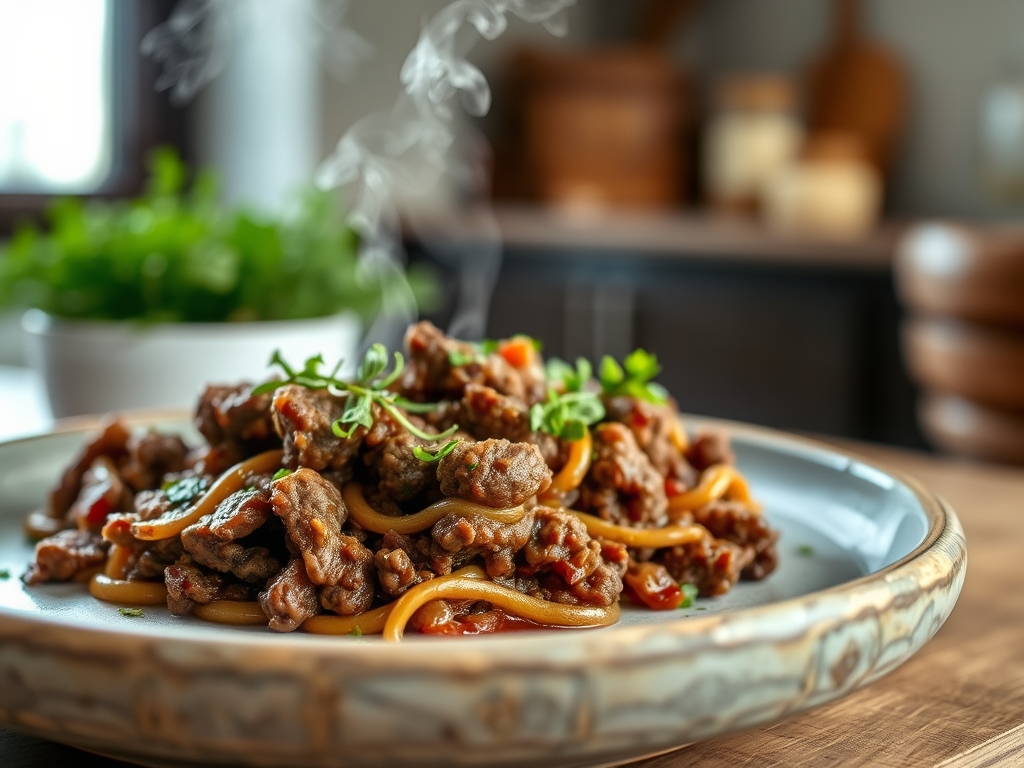
Picture the scene: a heavy-bottomed skillet is screaming hot, the air is thick with the scent of rendering fat, and you are about to master the art of the weeknight pivot. Finding easy ground beef recipes with few ingredients for two is not just about convenience; it is about the chemistry of flavor when you have only twenty minutes and a hungry partner. We are stripping away the fluff to focus on high-impact techniques that turn a humble pound of chuck into a five-star experience.
The secret to scaling down for two is all about the surface area to volume ratio. When you cook in smaller batches, you have better control over moisture evaporation, which means you get a superior sear every single time. We are going to explore seven distinct profiles, from a piquant Korean-inspired bowl to a silky, viscous Swedish gravy. Forget the mountain of leftovers that eventually die in the back of the fridge. This is precision cooking designed for your lifestyle, using the tools you already own to achieve restaurant-quality results without the dish-pit nightmare.
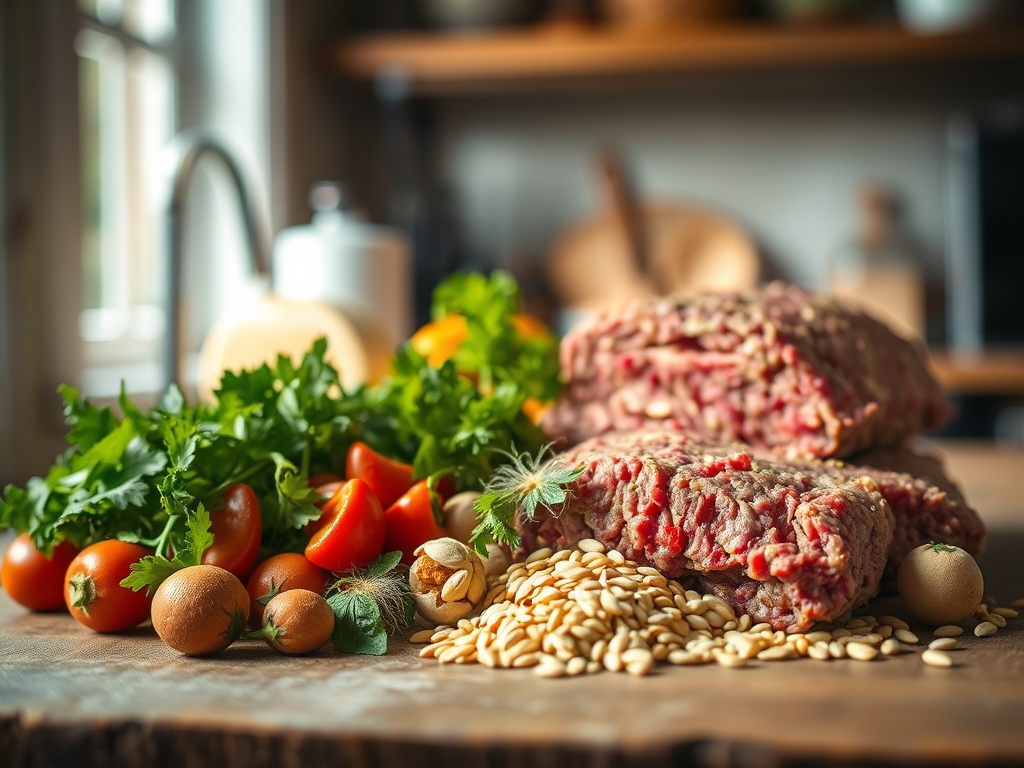
The Gathers:
Before we ignite the burner, we must respect the mise-en-place. For these seven meals, your primary protein should be a 20/80 or 15/85 lean-to-fat ratio. Fat is the thermal conductor of flavor; without it, your beef will be granular and dry rather than succulent. You will need a digital scale to portion your beef into exactly eight-ounce increments, ensuring your seasoning ratios remain consistent across every recipe.
Your pantry staples should include high-smoke-point oils like avocado or grapeseed, as extra virgin olive oil will break down and smoke before you achieve a proper sear. Keep a microplane handy for aerating hard cheeses or zesting citrus, and a bench scraper to move your chopped aromatics from board to pan without losing a single shard of garlic.
Smart Substitutions: If you find yourself without fresh aromatics, a high-quality garlic oil can infuse your dish with depth without the risk of burning delicate cloves. For a lower-fat profile, you can swap half the beef for finely minced cremini mushrooms. This "blended" approach utilizes the umami-rich guanylate in mushrooms to mimic the savory profile of beef while reducing total caloric density. If you are out of cornstarch for thickening your sauces, a cold butter mount (monter au beurre) will create a glossy, emulsified finish that is technically superior to a starch slurry.
The Clock
Efficiency in the kitchen is governed by the "Chef's Flow," a sequence of operations that minimizes downtime. For these recipes, the total active prep time is exactly ten minutes, with a cook time of twelve minutes. The flow begins with the "Cold Start": prepping your cold ingredients while the skillet preheats. Never drop meat into a lukewarm pan. You are waiting for the Leidenfrost effect, where a drop of water skitters across the surface, signaling that the metal is ready to flash-sear the proteins.
By the time your beef is browning, your aromatics should be ready to hit the pan. The final three minutes of any of these seven dishes are dedicated to the "Rest and Emulsify" phase. This is where you kill the heat and allow the residual thermal energy to finish the cooking, preventing the muscle fibers from tightening and squeezing out all the precious juices.
The Masterclass
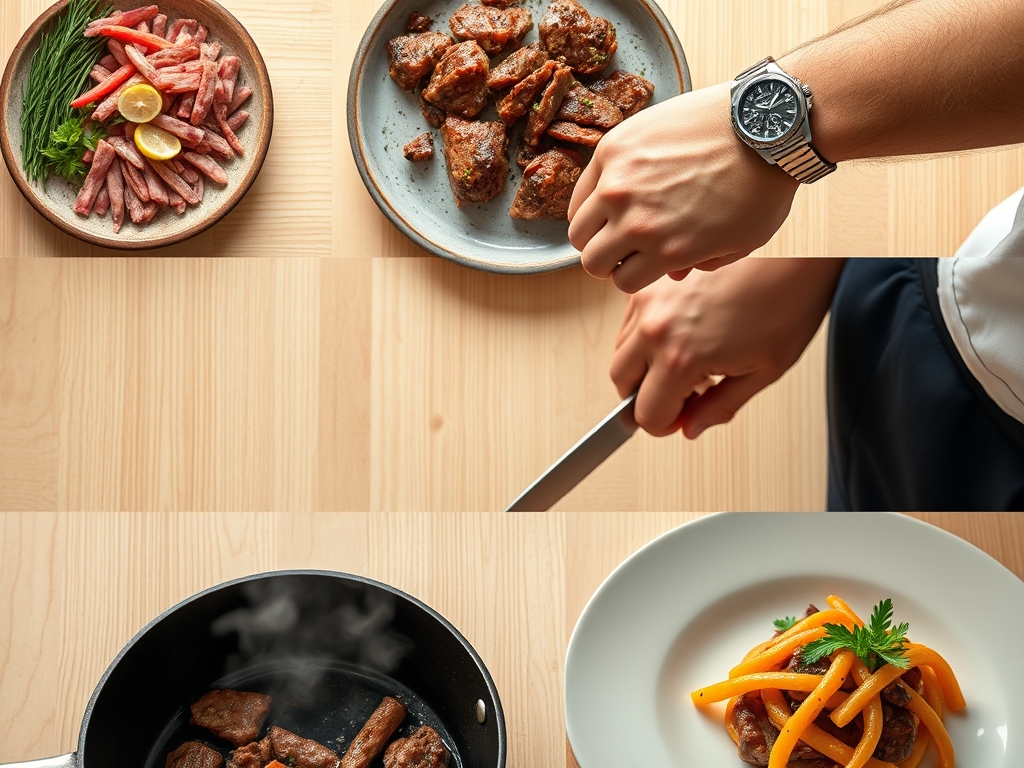
1. The Sear and Fond Development
Place your heavy-bottomed skillet over medium-high heat. Add a teaspoon of oil and wait for the first wisps of smoke. Pat the beef dry with a paper towel; moisture is the enemy of the Maillard reaction. Press the meat into a flat disc and let it sit undisturbed for three minutes.
Pro Tip: This is called enzymatic browning. By leaving the meat undisturbed, you allow the amino acids and reducing sugars to create a complex crust known as "fond" on the bottom of the pan, which provides the base for your sauce.
2. Deglazing the Aromatics
Once the beef is browned, flip it and break it apart with a stiff spatula. Toss in your minced garlic or ginger. Before they can burn, pour in two tablespoons of liquid (broth, wine, or even water). Use your spatula to scrape the browned bits off the bottom.
Pro Tip: This process, deglazing, uses steam to lift the caramelized proteins back into the dish. The liquid acts as a solvent, capturing the concentrated flavor trapped in the fond.
3. The Emulsification Phase
Reduce the heat to low. If your recipe calls for a sauce, add your liquid components now (soy sauce, cream, or tomato puree). Stir constantly in a circular motion to integrate the fats with the water-based liquids.
Pro Tip: To achieve a viscous texture without clumps, use cold fats. Adding a cold pat of butter at the very end creates a stable emulsion because the fat molecules coat the liquid particles before they can separate.
4. Thermal Carryover and Resting
Remove the pan from the heat when the beef looks just slightly underdone. Transfer the mixture to a warm bowl and let it sit for two minutes before serving.
Pro Tip: This accounts for thermal carryover. The internal temperature will continue to rise by 5 to 10 degrees even after the heat source is removed. Resting allows the protein structures to relax and reabsorb the rendered juices.
The Deep Dive
From a macro perspective, ground beef is a powerhouse of bioavailable iron and B12. A standard four-ounce serving provides roughly 28 grams of protein. To keep these meals balanced for two, we pair them with complex carbohydrates like jasmine rice or zucchini noodles to manage the glycemic index.
Dietary Swaps: For a Keto-friendly version, replace all starches with riced cauliflower or a bed of sautéed spinach. If you are cooking for a gluten-free partner, ensure your soy sauce is replaced with tamari or liquid aminos, which provide that same salty umami hit without the wheat stabilizers.
The Fix-It:
- The Meat is Greasy: If you see a pool of yellow oil, your pan was not hot enough. Fix it by tilting the pan and using a folded paper towel held with tongs to wick away the excess fat.
- The Garlic is Bitter: You likely added it too early. To neutralize the bitterness, add a pinch of sugar or a squeeze of lime; the acid or sweetness will mask the acrid notes.
- The Sauce is Broken: If the oil is separating from the sauce, add a teaspoon of hot water and whisk vigorously. The water helps re-establish the bond between the fat and the solids.
Meal Prep: When reheating ground beef, the "warmed-over flavor" is caused by lipid oxidation. To prevent this, store your beef in an airtight glass container with a splash of beef broth. When reheating in a saucier, the steam from the broth will rehydrate the meat and prevent that metallic "day-old" taste.
The Wrap-Up
Mastering easy ground beef recipes with few ingredients for two is the ultimate culinary "cheat code." It is about understanding that you do not need a pantry full of exotic spices when you have the power of a perfect sear and a well-timed deglaze. You are now equipped to turn a simple Tuesday night into a gourmet experience, using science to ensure every bite is as piquant and satisfying as the last. Grab your skillet, trust the heat, and let the Maillard reaction do the heavy lifting for you.
The Kitchen Table
How do I prevent ground beef from becoming rubbery?
Avoid overworking the meat before it hits the pan. Excessive handling develops proteins that lead to a tough, bouncy texture. Use a spatula to gently break it apart only after the initial sear is established to maintain a tender crumb.
Can I cook ground beef straight from the freezer?
It is not recommended for a quality sear. Frozen meat releases excess moisture as it thaws in the pan, which steams the beef instead of browning it. Always thaw in the refrigerator or a cold water bath for the best Maillard results.
What is the best way to drain excess fat safely?
Never pour hot grease down the drain. Instead, use tongs to push the meat to one side of the skillet and soak up the rendered fat with a wadded paper towel. This keeps your pan seasoned and your plumbing clear.
Why does my ground beef turn gray instead of brown?
Gray meat is a sign of overcrowding or low heat. If the pan temperature drops, the meat releases juices that boil the beef. Cook in smaller batches or use a larger heavy-bottomed skillet to ensure rapid moisture evaporation.