
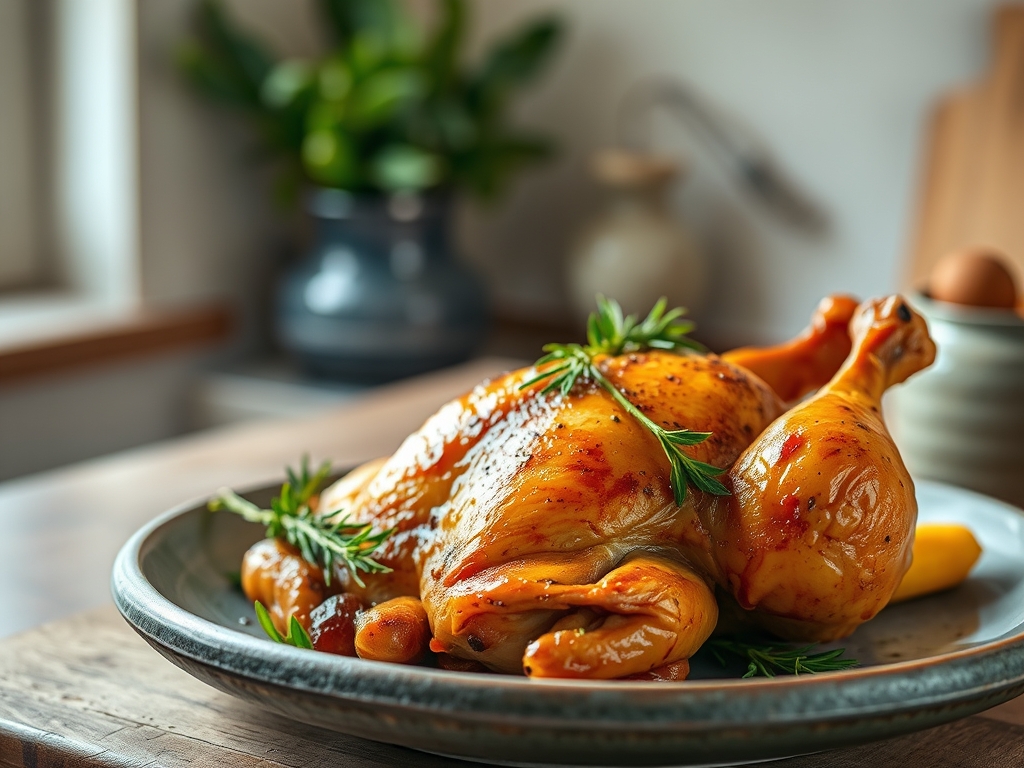
Imagine the scent of golden skin and aromatic herbs wafting through your home at 4:00 PM without you having spent a single minute hovering over a hot stove. We are diving into the ultimate world of slow cooker rotisserie chicken recipes; a culinary hack that transforms a humble bird into a masterpiece of succulent meat and savory depth. It is about capturing that supermarket deli magic with far more precision and zero additives.
The secret to a perfect bird lies in the delicate balance of moisture retention and fat rendering. When we talk about slow cooker rotisserie chicken recipes, we are essentially creating a self-basting environment where the connective tissues, specifically collagen, break down into silky gelatin. This process happens slowly between 160 and 180 degrees Fahrenheit, ensuring the breast meat stays juicy while the legs become fall-off-the-bone tender. You do not need a spit or a massive rotisserie oven to achieve this. You just need a little bit of science and the right spice profile to mimic that signature charred, salty finish we all crave.
The Gathers:
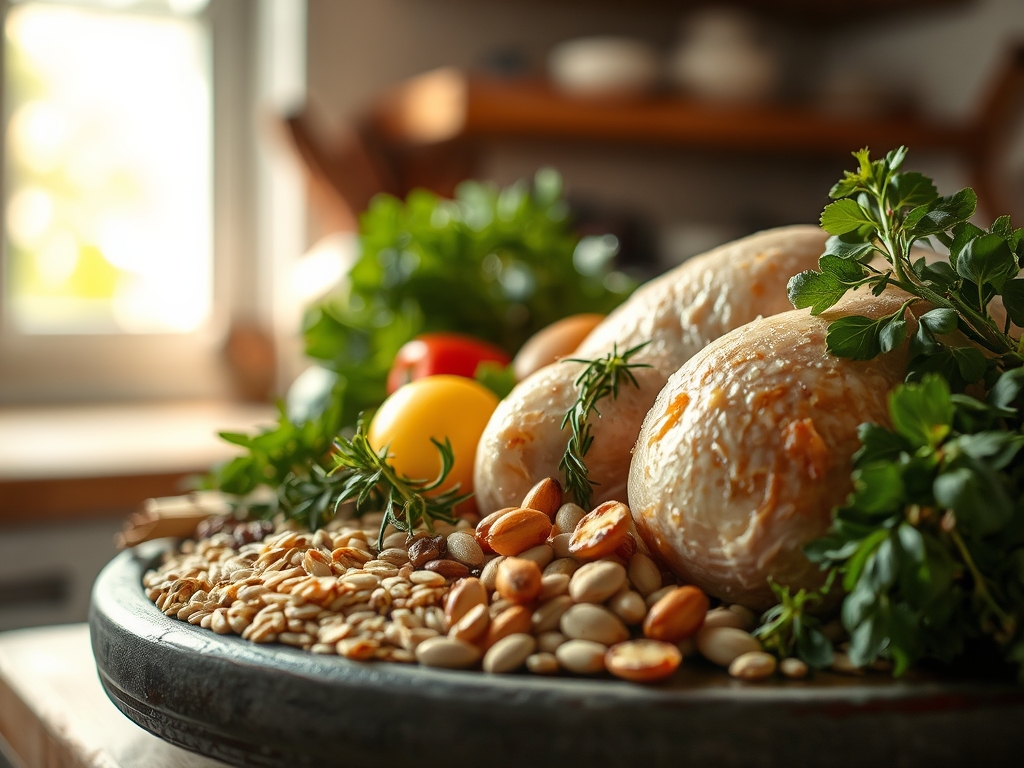
To begin, we need to curate our mise-en-place with intention. Start with a four to five pound whole chicken. Use a digital scale to ensure your bird fits comfortably in your six-quart slow cooker without touching the lid; airflow is vital for even heat distribution. You will also need high-quality kosher salt, cracked black pepper, smoked paprika for that "flame-kissed" hue, garlic powder, onion powder, and dried thyme. For the aromatic base, gather three large carrots, two stalks of celery, and one yellow onion. These vegetables act as a natural trivet, preventing the chicken from sitting in its own rendered fat and becoming "boiled" rather than roasted.
The "Smart Substitutions" here are where you can get creative. If you want a Mediterranean flair, swap the paprika for dried oregano and lemon zest. For a deeper, more viscous pan sauce later, add a tablespoon of tomato paste to your spice rub. If you are avoiding nightshades, replace the paprika with turmeric for a vibrant gold color and earthy undertone. Always use a microplane for your aromatics; grating the garlic and onion directly into the rub allows the volatile oils to infuse the skin more effectively than chopped pieces ever could.
The Clock
Preparation for this dish is remarkably swift; expect a fifteen minute active prep time. This is what I call the "Chef's Flow." You spend ten minutes prepping the vegetable trivet and five minutes applying the dry brine. Once the bird is nestled in the ceramic insert, the slow cooker takes over for four to five hours on high or seven to eight hours on low.
The low-and-slow approach is superior because it allows the proteins to relax. If you rush the process on high heat, the muscle fibers contract too quickly, squeezing out the precious intracellular moisture. Always factor in a ten minute resting period after cooking. This allows the internal juices to redistribute. If you carve too soon, the liquid will flood the cutting board, leaving you with dry meat.
The Masterclass
1. Construct the Aromatic Trivet
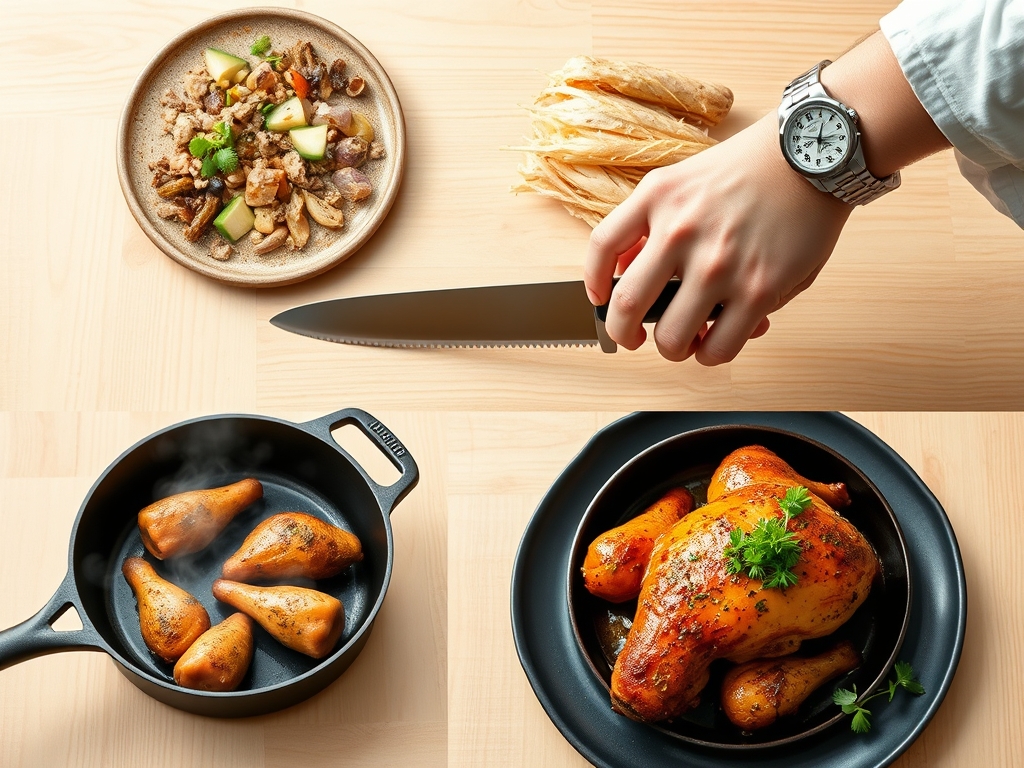
Roughly chop your onions, carrots, and celery into two-inch chunks using a sharp chef's knife. Place them at the bottom of the slow cooker. This creates a platform that allows hot air to circulate under the bird.
Pro Tip: This is a form of indirect heat cooking. By elevating the meat, you prevent the bottom from overcooking while the vegetables deglaze in the chicken's natural juices, creating a rich base for gravy.
2. The Dry Brine Application
Pat the chicken extremely dry with paper towels. Combine your spices in a small bowl and rub them aggressively over every inch of the skin and inside the cavity. Use your fingers to loosen the skin over the breast and tuck some spices underneath.
Pro Tip: Salt facilitates denaturation, a process where protein strands unwind and trap water. This ensures the meat stays moist even after hours of thermal exposure.
3. The Low and Slow Render
Place the chicken breast-side up on your vegetable bed. Cover the slow cooker and resist the urge to peek. Every time you lift the lid, you lose significant heat and moisture, extending your cook time by fifteen minutes.
Pro Tip: During this phase, the fat begins to render. This liquid gold bastes the meat from the outside in, while the collagen converts to gelatin at approximately 160 degrees Fahrenheit.
4. The Crisp Factor
Once the internal temperature reaches 165 degrees Fahrenheit, carefully lift the bird out using heavy-duty tongs. Transfer it to a baking sheet. Place it under a broiler for three to five minutes until the skin bubbles and browns.
Pro Tip: This triggers the Maillard reaction, a chemical reaction between amino acids and reducing sugars that creates the complex, savory flavors and "browned" aroma characteristic of rotisserie chicken.
5. The Rest and Carve
Transfer the bird to a wooden board with a juice groove. Let it sit undisturbed for ten minutes before using a bench scraper or carving knife to separate the joints.
Pro Tip: This is known as thermal carryover. The internal temperature will actually rise by five degrees while resting, finishing the cook perfectly without toughening the fibers.
6. The Liquid Gold Reduction
Strain the liquid left in the slow cooker into a saucier. Simmer it on the stove until it reduces by half, whisking in a pat of cold butter at the end to emulsify the sauce.
Pro Tip: Reducing the liquid concentrates the solutes, resulting in a piquant and intense jus that highlights the natural flavors of the poultry.
The Deep Dive
From a nutritional standpoint, a four-ounce serving of this chicken provides roughly 25 grams of high-quality protein and zero carbohydrates, making it a staple for various lifestyles. For a Keto version, keep the skin on for healthy fats. For a Vegan alternative, this same spice rub works wonders on a whole roasted cauliflower head, though you will need to adjust the cook time to about three hours. If you are Gluten-Free, you are already safe, as this recipe relies on whole ingredients rather than flour-based thickeners.
The "Fix-It" guide for common pitfalls:
- Mushy Skin: This happens if the bird sits in liquid. Ensure your vegetable trivet is high enough to keep the chicken elevated.
- Dry Breast Meat: You likely cooked it too long. Use a digital probe thermometer to pull the bird exactly at 165 degrees.
- Bland Flavor: You did not use enough salt. A whole bird requires at least two teaspoons of kosher salt to properly penetrate the thickest parts of the meat.
For meal prep, the science of reheating is key. To maintain "day-one" quality, reheat slices in a heavy-bottomed skillet with a splash of chicken stock. This creates a steam-saute effect that prevents the meat from becoming rubbery in the microwave.
The Wrap-Up
Mastering slow cooker rotisserie chicken recipes is a total game changer for any busy kitchen. It combines the technical precision of a professional chef with the "set it and forget it" ease we all need. You get the nutritional benefits of a home-cooked meal, the incredible aroma of a French rotisserie, and the flexibility to use the leftovers for everything from tacos to salads. It is smart, efficient, and undeniably delicious. Now, go grab your slow cooker and let the science of flavor do the work for you.
The Kitchen Table
Can I cook a frozen chicken in the slow cooker?
No, it is unsafe to cook frozen poultry in a slow cooker. The meat stays in the "danger zone" temperature range for too long, allowing bacteria to grow. Always thaw your chicken completely in the refrigerator before starting.
How do I get crispy skin in a slow cooker?
The slow cooker uses moist heat, which prevents crisping. To get that rotisserie crunch, you must transfer the cooked chicken to a baking sheet and broil it in the oven for three to five minutes before serving.
Do I need to add water or broth?
Do not add extra liquid. The chicken and vegetables will release plenty of moisture as they cook. Adding water will result in a "boiled" texture and diluted flavor rather than the concentrated juices needed for a rich jus.
How long do leftovers stay fresh?
Store leftovers in an airtight container in the refrigerator for up to four days. For longer storage, shred the meat and freeze it for up to three months. Reheat with a little moisture to maintain the original texture.