
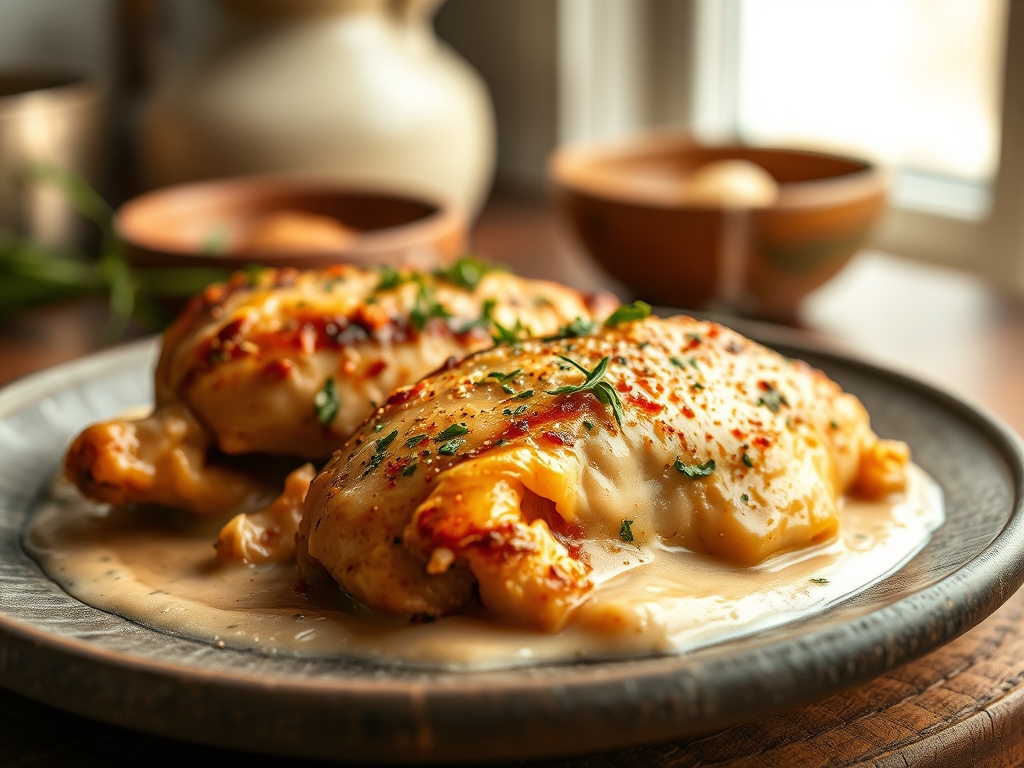
Imagine the air in your kitchen thickening with the scent of roasted garlic and slow-simmered poultry. There is a specific kind of magic that happens when you combine the convenience of a slow cooker with the nostalgic, silky texture of a classic condensed base. These crockpot chicken recipes with cream of chicken soup are the ultimate culinary cheat code for busy weeknights. We are talking about fall-apart protein bathed in a sauce so luxurious it feels like a warm hug for your soul.
The science here is all about the low-and-slow breakdown of connective tissues. While a heavy-bottomed skillet is great for a quick sear, the crockpot excels at maintaining a consistent thermal environment that transforms tough collagen into melt-in-your-mouth gelatin. By using a cream-based soup as your braising liquid, you create a stable emulsion that resists breaking under heat. It is a foolproof method for achieving professional-grade comfort food with minimal active labor. Whether you are craving a zesty fiesta chicken or a classic pot-pie filling, these recipes serve as the perfect canvas for your kitchen creativity.
The Gathers:
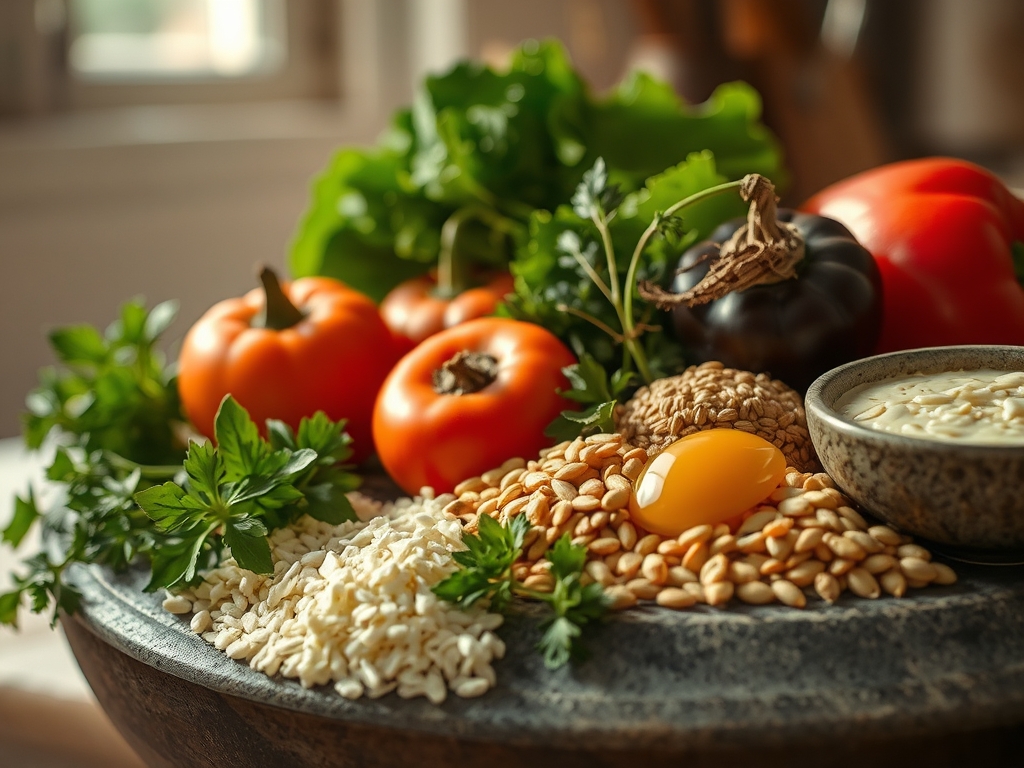
To master these dishes, your mise-en-place must be precise. Start with high-quality chicken breasts or thighs; thighs are generally preferred for slow cooking because their higher fat content prevents them from becoming stringy. You will need your primary viscous agent: two cans of high-quality cream of chicken soup. To elevate the profile, gather fresh aromatics like leeks, shallots, and garlic. Do not just toss them in; use a microplane to grate the garlic into a paste for maximum surface area and flavor infusion.
For the liquid component, keep a carton of low-sodium bone broth nearby. This allows you to control the salinity while adding a deep, savory backbone to the sauce. If you want to brighten the heavy fats, have a bottle of dry white wine or a fresh lemon ready to deglaze any browned bits if you choose to sear the meat first.
Smart Substitutions:
If you are looking to lighten the load, swap one can of soup for Greek yogurt or a mixture of coconut milk and cornstarch. For a deeper umami punch, add a tablespoon of white miso paste or a splash of Worcestershire sauce. These small tweaks shift the flavor profile from "canned" to "gourmet" without adding extra steps to your morning routine.
The Clock
Efficiency in the kitchen is about the Chef's Flow. This is the art of sequencing your tasks to minimize downtime. For these recipes, your active prep time is a mere 15 minutes. This includes trimming the protein with sharp kitchen shears and whisking your sauce components in a separate bowl to ensure a smooth texture before they hit the ceramic pot.
The cooking window is flexible but critical. On the "Low" setting, you are looking at 6 to 7 hours. On "High," you can cross the finish line in 3 to 4 hours. However, science favors the slow road. A longer cook time at a lower temperature allows the flavors to infuse deeply into the meat fibers without tightening the proteins too quickly. Aim to have your sides ready 10 minutes before the timer goes off to allow the chicken to rest briefly before shredding or serving.
The Masterclass
1. The Sear and Prep
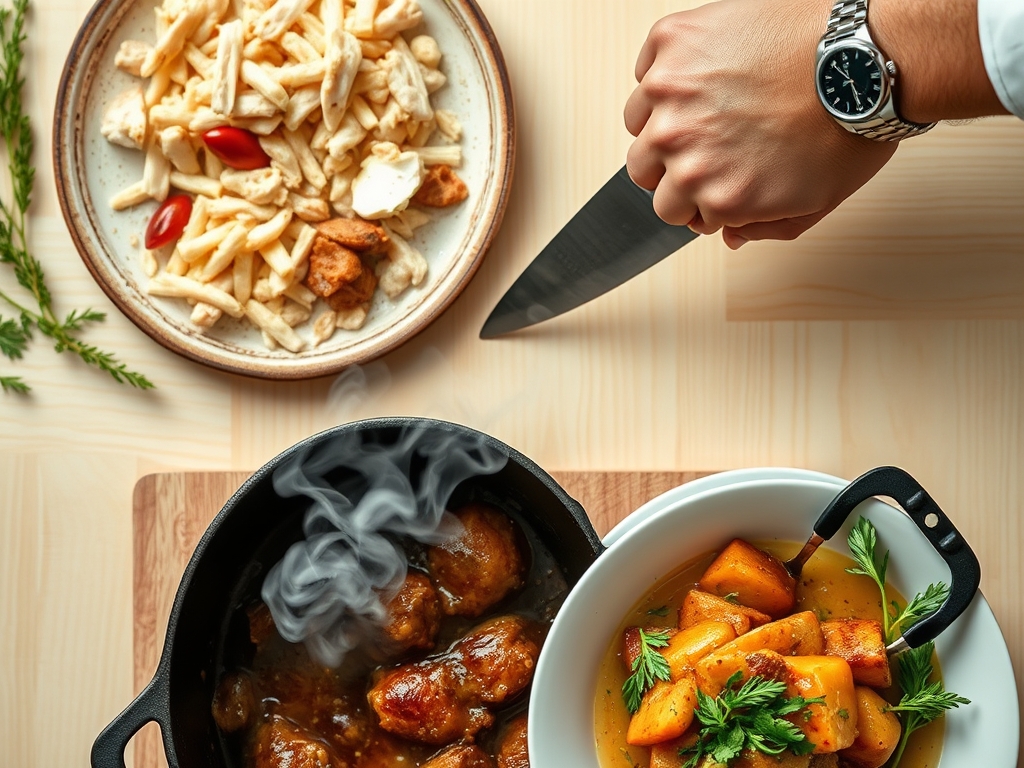
While many people dump and go, the secret to a professional finish is the Maillard reaction. Take a heavy-bottomed skillet, add a high-smoke-point oil, and sear your chicken for 2 minutes per side until a golden crust forms. This creates complex flavor compounds that a slow cooker cannot replicate on its own.
Pro Tip: This step utilizes enzymatic browning. By searing first, you create melanoidins that dissolve into the cream sauce during the long cook, resulting in a much deeper flavor profile than raw-start methods.
2. Building the Emulsion
In a separate mixing bowl, whisk your cream of chicken soup with your spices and a splash of broth. Use a silicone whisk to ensure there are no lumps of condensed starch. Pour this mixture over the chicken in the crockpot, ensuring every piece of protein is submerged to prevent drying out.
Pro Tip: This creates a thermal blanket. The thick soup acts as an insulator, distributing heat evenly around the chicken and preventing the edges from overcooking before the center reaches the safe internal temperature of 165 degrees Fahrenheit.
3. The Low and Slow Simmer
Set your crockpot and walk away. Avoid the temptation to lift the lid. Every time you peek, you lose significant steam and heat, which can add 20 minutes to your total cook time. Let the moisture cycle through the pot, basting the chicken in its own juices and the savory cream.
Pro Tip: This stage is where collagen denaturation happens. At approximately 160 degrees Fahrenheit, the tough connective tissues begin to dissolve into gelatin, which adds a silky mouthfeel to the final sauce.
4. The Final Texture Adjustment
Once the timer hits, use tongs to remove the chicken. If the sauce looks too thin, whisk in a slurry of cornstarch and water. If it is too thick, add a splash of heavy cream or broth to reach your desired viscous consistency. Shred the chicken using two forks or a stand mixer for a uniform texture.
Pro Tip: This is the stabilization phase. Allowing the sauce to sit for 5 minutes after the heat is turned off lets the starches fully hydrate, ensuring the sauce clings to your noodles or rice instead of pooling at the bottom of the plate.
The Deep Dive
From a nutritional standpoint, these recipes are protein powerhouses. A standard serving provides roughly 30 to 35 grams of protein. To balance the macros, serve over a bed of fiber-rich quinoa or cauliflower rice.
Dietary Swaps:
For my Keto friends, use a "cream of" substitute made from heavy cream, butter, and xanthan gum to keep the carb count low. Gluten-free cooks should look for specific GF-certified condensed soups, as traditional versions use wheat flour as a thickener. For a Vegan twist, use chickpeas or jackfruit with a cashew-based cream sauce.
The Fix-It: Common Pitfalls
- Curdled Sauce: This usually happens if you add dairy like sour cream too early. Always stir in fresh dairy at the very end on the "Warm" setting.
- Bland Flavor: If it tastes flat, it needs acid. Add a teaspoon of apple cider vinegar or lemon juice to cut through the fat.
- Mushy Veggies: If adding carrots or potatoes, cut them into uniform 1-inch chunks to ensure they hold their structure over 6 hours.
Meal Prep Science:
When reheating, do not use the microwave on high power; it vibrates water molecules too violently and breaks the emulsion. Instead, use a saucier on the stovetop over low heat. Add a tablespoon of milk to re-hydrate the starches and restore that "day-one" silky texture.
The Wrap-Up
Mastering crockpot chicken recipes with cream of chicken soup is about more than just convenience; it is about understanding how heat, fat, and time work together to create something spectacular. By using professional tools like a digital scale for your ingredients and a microplane for your aromatics, you elevate a humble pantry staple into a five-star meal. Now go forth, get that slow cooker bubbling, and enjoy the most effortless dinner of your week!
The Kitchen Table
Can I put frozen chicken in the crockpot?
It is not recommended for safety. Frozen meat stays in the "danger zone" temperature range (40 to 140 degrees Fahrenheit) for too long, risking bacterial growth. Always thaw your chicken completely in the refrigerator before adding it to the slow cooker.
How do I prevent the cream sauce from breaking?
Avoid adding high-fat dairy like sour cream or heavy cream at the start. The long-term high heat causes proteins to clump. Instead, whisk these ingredients in during the last 30 minutes of cooking to maintain a smooth, velvety emulsion.
What are the best herbs for this recipe?
Hard herbs like rosemary and thyme should be added at the beginning to allow their oils to infuse the sauce. Soft herbs like parsley, chives, or cilantro should be folded in just before serving to preserve their bright color and volatile oils.
Why is my chicken dry even though it is in liquid?
Overcooking is the primary culprit. Even when submerged in sauce, muscle fibers will contract and squeeze out moisture if cooked too long. Use a digital thermometer to pull the chicken as soon as it reaches an internal temperature of 165 degrees.